A mouse inside your motorhome can quickly turn a relaxing trip into a frustrating problem. Rodents chew wires, damage insulation, and leave droppings that spread bacteria. According to pest control estimates, mice can squeeze through openings as small as a dime. Additionally, rodent damage causes millions of dollars in vehicle repairs across the United States each year. Learning how to keep mice out of motorhome spaces is essential for protecting your investment. Fortunately, a few preventive habits and smart maintenance steps can keep your RV clean, safe, and free from unwanted guests.
Why Mice Love Motorhomes
Motorhomes offer warmth, shelter, and plenty of hidden nesting spots. During cooler months, rodents search for protected places to survive.
Storage compartments and under bed spaces often attract mice. Moreover, food crumbs and pet supplies make your RV even more inviting.
When organizing your RV, consider applying space saving and living hacks that reduce clutter and remove potential nesting areas.
Common Signs of Mice
- Droppings in cabinets or drawers
- Chewed food packaging
- Scratching sounds at night
- Shredded paper or fabric
- Strange musty odors
Inspect Every Possible Entry Point
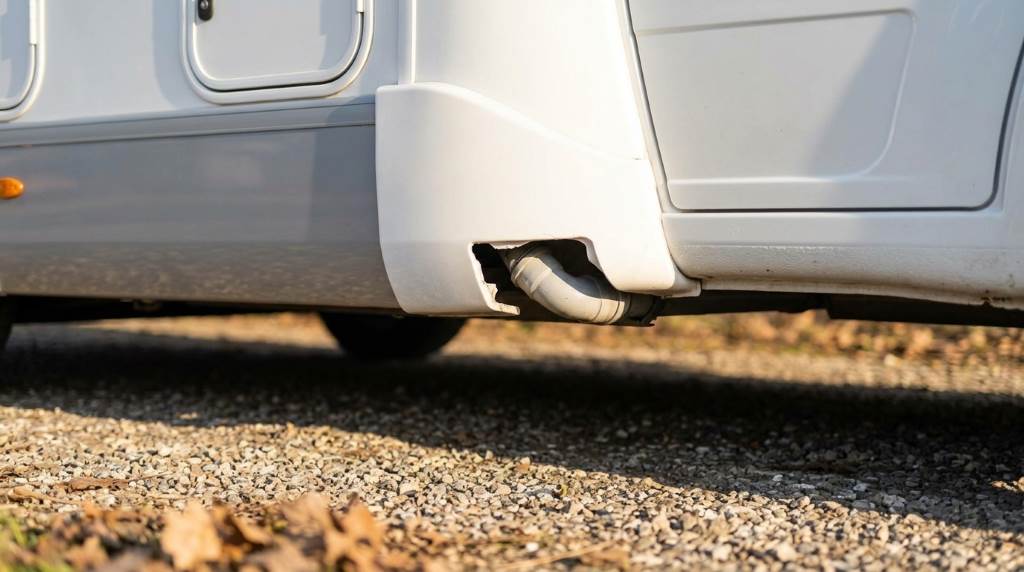
The first step involves finding every hole or crack around your motorhome. Even tiny openings can become entry doors for mice.
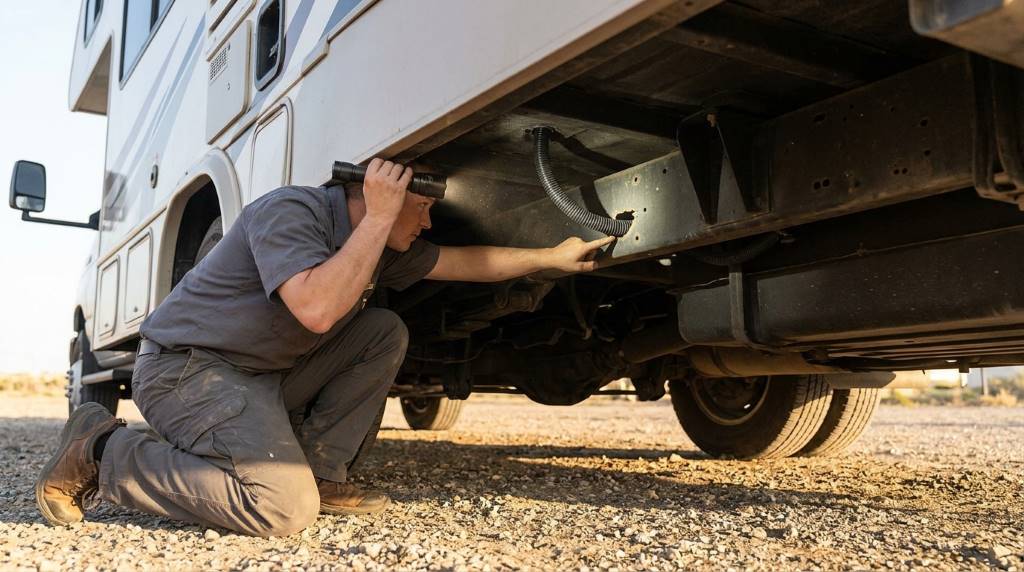
Look carefully around plumbing lines, electrical wiring, vents, and storage bays. Furthermore, inspect the underside of the vehicle with a flashlight.
Areas That Need Extra Attention
- Wheel wells
- Air conditioning openings
- Generator compartments
- Slide out seals
- Water line openings
- Battery compartments
Seal every opening immediately after you find it. Otherwise, rodents will continue entering your RV repeatedly.
Seal Gaps With Mouse Resistant Materials
Ordinary materials often fail because mice chew through them easily. Therefore, choose durable products that rodents cannot destroy.
Steel wool works well when combined with expanding foam. Likewise, metal mesh creates a long lasting barrier around larger gaps.
Routine inspections become easier when following an essential motorhome repairs and maintenance schedule throughout the year.
Best Materials for Blocking Mice
- Copper mesh
- Steel wool
- Metal flashing
- Silicone sealant
- Expanding foam with mesh backing
Keep Food Completely Sealed
Mice have an excellent sense of smell and quickly detect food. Even a few crumbs can attract them into your motorhome.
Store all dry goods inside airtight plastic or metal containers. Additionally, wipe counters and tables after every meal.
Pet food deserves special attention because rodents love it. Consequently, never leave bowls or open bags inside your RV overnight.
Foods That Attract Rodents
- Cereal
- Bread
- Dog food
- Snack crackers
- Nuts and seeds
- Dried fruit
Remove Potential Nesting Materials
Mice build nests from soft materials they find nearby. Therefore, reduce clutter and eliminate items that encourage nesting.
Paper towels, cardboard boxes, and old clothing can become nesting supplies. Instead, keep belongings in sealed storage bins.
If your trip involves unexpected problems on the road, learning handle accidents claims while traveling can also help you prepare for other motorhome emergencies.
Use Natural Mouse Deterrents
Many RV owners prefer natural methods before using traps or chemicals. Fortunately, several scents discourage rodents from staying nearby.
Peppermint oil remains one of the most popular natural repellents. Place cotton balls soaked with oil around storage areas and corners.
Cedar chips and dryer sheets may also help in some situations. However, natural repellents work best when combined with proper sealing methods.
Popular Natural Deterrents
- Peppermint oil
- Cedar chips
- Clove oil
- Dryer sheets
- White vinegar cleaning solutions
Set Traps Before Problems Begin
Preventive trapping can stop a small issue from becoming a major infestation. Therefore, place traps even if you have not seen mice yet.
Snap traps remain highly effective and inexpensive. Moreover, they allow you to monitor activity inside your motorhome.
Place traps near walls because mice usually travel along edges. Avoid placing traps in open spaces where rodents rarely move.
Protect the Engine Compartment
The engine area often becomes a warm shelter during colder weather. Unfortunately, rodents may chew expensive wiring and hoses.
Inspect the engine compartment every few weeks during storage. Additionally, remove leaves and debris that create hidden nesting spots.
Some RV owners use battery powered deterrent devices. While results vary, these devices may provide another layer of protection.
Store Your Motorhome Properly
Long term storage significantly increases the risk of rodent problems. Therefore, proper preparation is essential before parking your RV.
Choose a clean storage area away from tall grass and wood piles. Furthermore, remove all food before leaving the motorhome unattended.
Regular visits to the storage site also help detect issues early. A quick inspection can prevent costly repairs later.
Storage Checklist
- Empty food cabinets
- Vacuum every floor
- Seal exterior openings
- Place traps inside compartments
- Check the engine area
- Store bedding in containers
Clean Your Motorhome Frequently
Clean motorhomes are far less attractive to mice. Consequently, good housekeeping plays an important role in prevention.
Sweep floors after meals and wipe kitchen surfaces regularly. In addition, remove garbage before it begins producing odors.
Deep cleaning should happen before every long storage period. This habit greatly reduces the chances of attracting rodents.
Know When to Call Professionals
Some infestations become too severe for simple home remedies. In those situations, professional pest control may be necessary.
Experts can locate hidden nests and identify entry points quickly. Moreover, they provide treatment plans that fit your specific situation.
Motorhome owners across the USA often seek professional help after repeated infestations. Early action usually prevents expensive electrical damage.
Conclusion
Learning how to keep mice out of motorhome spaces requires a combination of prevention and regular maintenance. Sealing openings, storing food correctly, and reducing clutter create a strong defense against rodents.
Inspect your RV frequently and address small problems before they become serious. Start using these practical strategies today to protect your motorhome and enjoy worry free adventures across the United States.
Frequently Asked Questions
Can mice damage a motorhome?
Yes, mice can chew wires, insulation, and plumbing materials inside a motorhome.
What smell keeps mice away from an RV?
Peppermint oil is one of the most commonly used natural mouse deterrents.
How often should I inspect my motorhome for mice?
You should inspect your motorhome at least once each month and before every trip.
Do dryer sheets keep mice out of motorhomes?
Dryer sheets may help temporarily but should not replace proper prevention methods.
Should I remove all food before storing my RV?
Yes, removing all food significantly lowers the chances of attracting mice.