
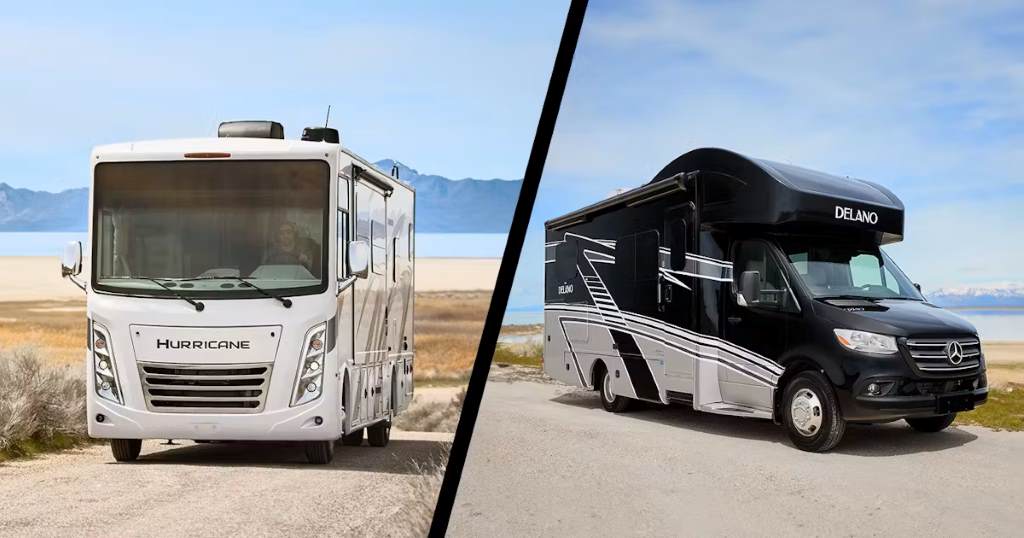
Imagine cruising down a scenic highway, the Grand Canyon on the horizon, with your home on wheels. That’s the magic of RV travel, where freedom meets comfort. Class A and Class C motorhomes are popular choices for adventurers seeking the RV lifestyle. Whether you’re dreaming of full-time RV living or weekend getaways, understanding these recreational vehicles is key. This guide dives into what makes Class A and Class C motorhomes unique, blending education with fascination. From spacious interiors to towing capabilities, we’ll explore their features, benefits, and quirks. Ready to hit the road? Let’s embark on this journey together.
What Is a Class A Motorhome? A Luxurious Home on Wheels
Class A motorhomes are the giants of the RV world, built on a heavy-duty chassis, often resembling a bus. Ranging from 25 to 45 feet, they offer ample living space, perfect for families or full-time RV living. Picture a rolling mansion with full bathrooms, residential refrigerators, and power awnings. Many feature slide-outs, expanding the interior living space for added comfort. According to the RV Industry Association, Class A motorhomes account for 18% of RV sales due to their luxury and space (source: RVIA.org).
These motorhomes, often built on a Mercedes Sprinter chassis or similar, prioritize comfort. Features like stabilizing jacks and onboard generators ensure stability and power, even in remote national parks. However, their size can make navigating urban areas tricky. My first Class A experience was at the Tampa RV Show, where I marveled at a model with a murphy bed and exterior storage galore. It felt like a hotel suite, but fuel economy was a concern—expect 6-10 miles per gallon.
Despite their cost, Class A motorhomes appeal to those craving luxury. They’re ideal for long trips to places like Big Bend National Park, offering a self-contained RV experience. Yet, their size demands confidence behind the wheel, often requiring driving classes for new owners.
What Is a Class C Motorhome? Compact Yet Capable
Class C motorhomes are smaller, typically 20 to 32 feet, built on a van chassis, often with a cab-over design. They strike a balance between size and functionality, making them easier to drive than Class A models. These recreational vehicles include black water tanks, freshwater tanks, and storage lockers, catering to weekend warriors or smaller families. Their fuel economy, averaging 10-15 miles per gallon, is better than Class A models, per the National Highway Traffic Safety Administration (source: NHTSA.gov).
I once rented a Class C for a trip to the Florida Keys. Its compact size made parking a breeze, and the interior living space was cozy yet functional, with a full bathroom and storage area. The Mercedes engine purred smoothly, and features like tire pressure monitoring systems added peace of mind. However, the cab-over design felt cramped for tall passengers. Class C motorhomes suit those seeking adventure without the bulk of a Class A.
Their towing capacity, often up to 7,500 pounds, allows you to haul a Mini Cooper or Jeep Cherokee Trailhawk. Additionally, diesel options enhance efficiency for long hauls. For those eyeing second-hand motorhomes, Class C models are often more budget-friendly, offering a practical entry into RV travel.
Comparing Class A and Class C Motorhomes: Key Differences
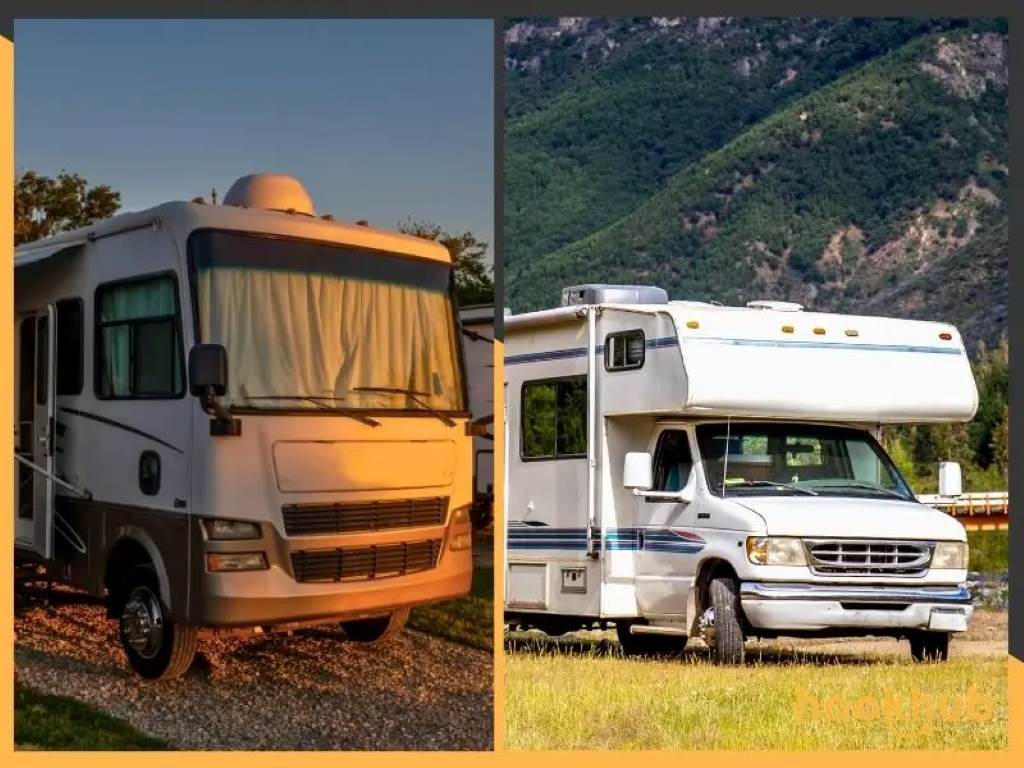
Choosing between Class A and Class C motorhomes depends on your needs. Class A models excel in living space and luxury, boasting storage tanks and features like solar panels. They’re perfect for full-time RV living but demand more fuel and skill to drive. Class C motorhomes, with their camper van-like agility, are easier to maneuver in urban areas and national parks. Their storage capacity is sufficient but less extensive than Class A.
Consider these differences:
- Size: Class A (25-45 feet) vs. Class C (20-32 feet).
- Fuel Economy: Class C (10-15 mpg) vs. Class A (6-10 mpg).
- Towing Capacity: Class A (up to 10,000 lbs) vs. Class C (up to 7,500 lbs).
- Cost: Class A is pricier, while Class C suits budget-conscious buyers.
- Comfort: Class A offers more interior living space; Class C is cozier.
At the Florida RV Supershow, I saw families gravitate toward Class C for its drivability, while retirees loved Class A’s residential feel. Your choice hinges on travel style—long-term luxury or nimble exploration.
Pros and Cons of Class A Motorhomes
Class A motorhomes shine for their spaciousness and amenities. Here’s a breakdown:
Pros:
-
- Expansive living space with slide-outs and full bathrooms.
-
- High towing capabilities for vehicles like a Jeep Cherokee Trailhawk.
-
- Features like power awnings and residential refrigerators enhance comfort.
-
- Ideal for full-time RV living or extended trips to places like the Grand Canyon.
Cons:
-
- Poor fuel economy (6-10 mpg) increases travel costs.
-
- Large size complicates driving in urban areas or narrow park roads.
-
- Higher purchase and maintenance costs compared to Class C.
-
- May require a special driver’s license in some states.
My friend, a full-time RVer, swears by his Class A’s storage options but curses its gas mileage on long drives. These motorhomes are a commitment, best for those prioritizing comfort over convenience.
Pros and Cons of Class C Motorhomes
Class C motorhomes offer versatility but have limitations. Here’s the scoop:
Pros:
-
- Better fuel economy (10-15 mpg) saves money on road trips.
-
- Easier to drive, ideal for beginners or urban adventures.
-
- Sufficient storage tanks and living space for small groups.
-
- More affordable, especially second-hand motorhomes.
Cons:
-
- Limited interior living space compared to Class A.
-
- Cab-over design can feel cramped for taller occupants.
-
- Lower towing capacity limits larger towed vehicles.
-
- Fewer luxury features like solar panels or residential refrigerators.
On my Florida Keys trip, the Class C’s maneuverability was a lifesaver on narrow roads. Yet, I wished for more storage space for beach gear. It’s a great choice for shorter trips or new RVers.
Tips for Choosing Between Class A and Class C Motorhomes
Selecting the right motorhome requires planning. Here are practical tips:
- Assess Your Travel Style: Full-time RV living suits Class A; weekend warriors may prefer Class C.
- Consider Driving Comfort: Take driving classes for Class A; Class C is beginner-friendly.
- Check Towing Needs: Need to tow a Mini Cooper? Class A has higher towing capabilities.
- Budget Wisely: Class C is cheaper upfront and at the pump.
- Test at an RV Show: Visit events like the Tampa RV Show to compare models.
- Inspect Storage Options: Ensure black and grey wastewater tanks meet your needs.
- Research Safety Features: Look for tire pressure monitoring systems and built-in safety systems.
I learned at an RV show that test-driving both classes clarified my needs. Take time to explore before deciding.
Common Mistakes to Avoid When Buying a Motorhome
Buying a motorhome is exciting but tricky. Avoid these pitfalls:
- Ignoring Fuel Economy: Class A’s low gas mileage can strain budgets.
- Overlooking Size: Class A may not fit in all national parks or urban areas.
- Skipping Inspections: Second-hand motorhomes need thorough checks, especially holding tanks.
- Neglecting Towing Capacity: Ensure your RV can handle your towing vehicle.
- Forgetting Maintenance Costs: Class A’s exterior construction and battery systems are pricier to maintain.
I once met a couple who bought a Class A without checking campsite size limits—disaster! Research thoroughly to avoid regrets.
Why RV Travel Captivates Adventurers
The RV lifestyle is about freedom and connection. Class A and Class C motorhomes let you explore places like Big Bend National Park or the Florida Keys with home-like comfort. Class A offers a luxurious escape, while Class C provides nimble exploration. Both cater to the RV travel lifestyle, whether you’re chasing sunsets or working remotely from an office in the front passenger seat. The allure lies in self-contained RVs that blend adventure with convenience, making every trip unforgettable.
Conclusion: Find Your Perfect Motorhome
Class A and Class C motorhomes offer distinct paths to the RV lifestyle. The Class A delivers luxury with expansive living space, ideal for full-time RV living, but demands more fuel and skill. Class C balances affordability and drivability, perfect for weekend warriors or new adventurers. Whether you’re drawn to the grandeur of a Class A or the agility of a Class C, your choice shapes your journey. Visit an RV show, test both, and match your needs to the open road. Share your RV dreams in the comments or spread this guide to inspire others!
FAQs
What is the main difference between Class A and Class C motorhomes?
Class A motorhomes are larger (25-45 feet) with more living space and luxury features, while Class C motorhomes (20-32 feet) are smaller, easier to drive, and more budget-friendly.
Which motorhome is better for full-time RV living?
Class A motorhomes are better for full-time RV living due to their spacious interiors, full bathrooms, and storage options, though they’re pricier and less fuel-efficient.
Are Class C motorhomes easier to drive than Class A?
Yes, Class C motorhomes are easier to drive due to their smaller size and van-like chassis, making them ideal for beginners or urban areas.
What is the fuel economy of Class A and Class C motorhomes?
Class A motorhomes average 6-10 mpg, while Class C motorhomes get 10-15 mpg, offering better fuel economy for cost-conscious travelers.
Can Class A or Class C motorhomes tow vehicles?
Both can tow vehicles, but Class A has higher towing capacity (up to 10,000 lbs) compared to Class C (up to 7,500 lbs).