
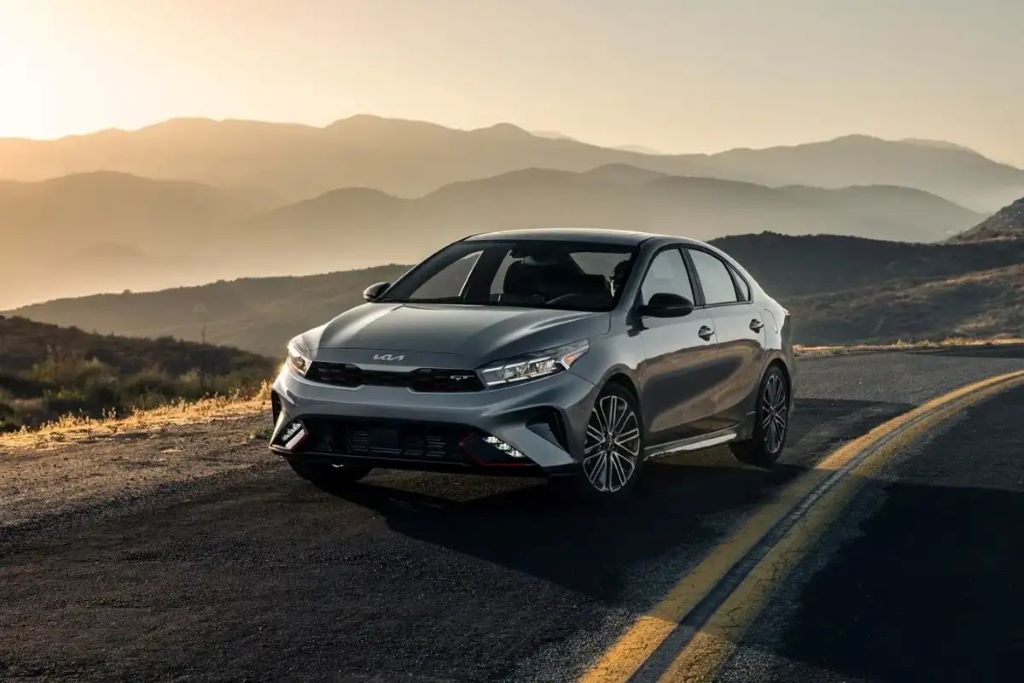
In an era where environmental consciousness and economic savings are paramount, choosing a car with excellent fuel economy is a smart decision for both your wallet and the planet. Fuel-efficient vehicles reduce greenhouse gas emissions and lower fuel costs, making them an attractive option for eco-conscious drivers. Whether you’re navigating city streets or embarking on long road trips, selecting a car that maximizes fuel efficiency can significantly impact your driving experience. For detailed insights into fuel-efficient models, visit Carrepro.org, a trusted resource for automotive reviews and comparisons.
Exploring the Names of Small Cars That Use Less Fuel
Compact cars are often the go-to choice for those seeking fuel efficiency due to their lightweight design and smaller engines. If you’re curious about the names of small cars that use less fuel, you’ll find that many top-performing models combine innovative technology with practical design. These vehicles are engineered to deliver impressive miles per gallon (MPG) without sacrificing performance or comfort. In this article, we’ll delve into some of the best fuel-efficient cars available, highlighting their features, benefits, and why they stand out in today’s automotive market.
Why Fuel Economy Matters
Fuel economy is more than just a number; it’s a measure of how efficiently a car uses fuel to travel a given distance, typically expressed in MPG or liters per 100 kilometers. High fuel economy translates to fewer trips to the gas station, lower fuel expenses, and a reduced carbon footprint. Additionally, with fluctuating fuel prices, owning a fuel-efficient car provides financial stability. According to the U.S. Department of Energy, fuel-efficient vehicles can save drivers thousands of dollars over the life of the car, making them a practical choice for budget-conscious individuals.
Moreover, fuel-efficient cars often incorporate advanced technologies such as hybrid powertrains, turbocharged engines, and aerodynamic designs. These innovations not only enhance fuel economy but also improve overall driving dynamics. For instance, hybrid vehicles combine gasoline engines with electric motors to optimize fuel usage, especially in stop-and-go traffic. Therefore, understanding the factors that contribute to fuel efficiency can help you make an informed decision when purchasing your next vehicle.
Top Fuel-Efficient Cars in 2025
The automotive industry continues to innovate, offering a range of fuel-efficient cars that cater to diverse needs. Below, we highlight some of the standout models for 2025, known for their exceptional MPG ratings and practical features. These vehicles are ideal for commuters, families, and environmentally conscious drivers alike.
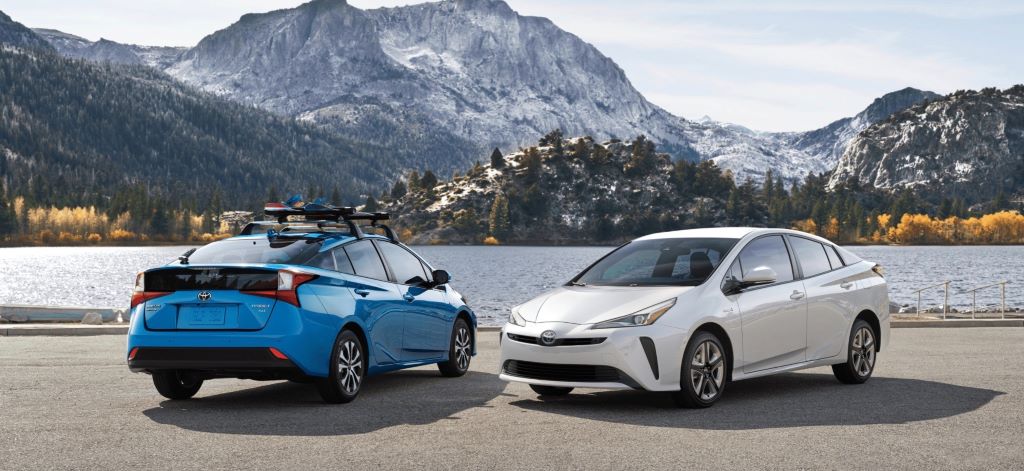
- Toyota Prius: The Toyota Prius remains a benchmark for hybrid efficiency, achieving up to 58 MPG combined. Its sleek design and advanced hybrid system make it a favorite for city and highway driving. Additionally, the Prius offers ample cargo space and a comfortable interior, making it a versatile choice.
- Honda Civic Hybrid: With an estimated 50 MPG combined, the Honda Civic Hybrid blends sporty performance with fuel efficiency. Its compact size and responsive handling make it ideal for urban environments, while its spacious cabin ensures passenger comfort.
- Hyundai Ioniq 6: This all-electric sedan boasts an impressive range of over 300 miles and an equivalent MPG of around 140 MPGe. Its futuristic design and fast-charging capabilities make it a compelling option for those transitioning to electric vehicles.
- Kia Niro: Available as a hybrid, plug-in hybrid, or fully electric model, the Kia Niro offers up to 53 MPG combined in its hybrid form. Its crossover design provides extra versatility, making it suitable for small families or adventure seekers.
- Mitsubishi Mirage: One of the most affordable options, the Mitsubishi Mirage delivers up to 41 MPG combined. Its compact size and low price point make it an excellent choice for budget-conscious drivers seeking fuel savings.
These models demonstrate that fuel efficiency doesn’t mean compromising on style, comfort, or performance. Each car offers unique features, from advanced safety systems to user-friendly infotainment, ensuring a well-rounded driving experience.
Hybrid vs. Electric vs. Gasoline: Which Is Best for Fuel Economy?
When considering fuel economy, it’s essential to understand the differences between hybrid, electric, and gasoline-powered vehicles. Hybrids, like the Toyota Prius, combine a gasoline engine with an electric motor, offering excellent MPG in varied driving conditions. Electric vehicles (EVs), such as the Hyundai Ioniq 6, eliminate gasoline entirely, relying on battery power for zero-emission driving. However, EVs require access to charging infrastructure, which may not be feasible for all drivers.
Gasoline-powered cars, like the Mitsubishi Mirage, remain a viable option for those seeking affordability and widespread fuel availability. While they may not match the MPG of hybrids or EVs, advancements in engine technology have significantly improved their efficiency. Therefore, the best choice depends on your driving habits, budget, and access to charging stations. For instance, city dwellers may prefer hybrids or EVs for their efficiency in stop-and-go traffic, while rural drivers might opt for gasoline models for convenience.
Factors That Affect Fuel Economy
Several factors influence a car’s fuel economy, and understanding them can help you maximize efficiency. First, driving habits play a significant role. Aggressive acceleration, speeding, and frequent braking can reduce MPG by up to 20%, according to the U.S. Department of Energy. Adopting smooth driving techniques, such as gradual acceleration and maintaining steady speeds, can significantly improve fuel efficiency.
Second, vehicle maintenance is crucial. Regular oil changes, properly inflated tires, and clean air filters ensure your car runs efficiently. Neglecting maintenance can lead to reduced MPG and costly repairs. Additionally, external factors like weather, road conditions, and cargo weight can impact fuel economy. For example, carrying heavy loads or driving in extreme temperatures can decrease efficiency. Therefore, staying mindful of these factors can help you get the most out of your fuel-efficient car.
Benefits of Choosing a Fuel-Efficient Car
Investing in a fuel-efficient car offers numerous advantages beyond cost savings. Environmentally, these vehicles reduce greenhouse gas emissions, contributing to cleaner air and a healthier planet. Financially, lower fuel costs mean more money in your pocket over time. Moreover, many fuel-efficient cars come with tax incentives or rebates, further offsetting the initial purchase price.
From a practical standpoint, fuel-efficient cars are often designed with modern technology, offering features like advanced driver-assistance systems, touchscreen infotainment, and comfortable interiors. These vehicles are also versatile, catering to various lifestyles, from urban commuters to long-distance travelers. Consequently, choosing a fuel-efficient car is a win-win for both personal convenience and global sustainability.
How to Maximize Fuel Economy
To get the most out of your fuel-efficient car, consider adopting the following practices:
- Plan Your Routes: Combine errands to reduce driving distance and avoid congested routes where possible.
- Use Cruise Control: On highways, cruise control helps maintain a consistent speed, improving fuel efficiency.
- Avoid Idling: Turn off your engine during long stops to save fuel, especially in hybrids or EVs.
- Monitor Tire Pressure: Check tire pressure monthly, as underinflated tires can reduce MPG by up to 3%.
- Lighten the Load: Remove unnecessary items from your car to reduce weight and improve efficiency.
By incorporating these habits, you can enhance your car’s fuel economy and extend its lifespan.
Frequently Asked Questions (FAQs)
- What is the most fuel-efficient car in 2025?
The Toyota Prius is often cited as one of the most fuel-efficient cars, achieving up to 58 MPG combined due to its advanced hybrid technology. - Are electric vehicles more fuel-efficient than hybrids?
Electric vehicles, like the Hyundai Ioniq 6, typically offer higher MPGe ratings than hybrids, but their efficiency depends on access to charging infrastructure. - How can I improve my car’s fuel economy?
Smooth driving, regular maintenance, and reducing vehicle weight can significantly improve fuel economy. - Are fuel-efficient cars more expensive to buy?
While some hybrids and EVs have higher upfront costs, many come with tax incentives, and their fuel savings offset the initial price over time. - Do small cars always have better fuel economy?
Small cars often have better fuel economy due to their lightweight design, but larger hybrids or EVs can also achieve impressive MPG.
Conclusion
Choosing a car with excellent fuel economy is a practical and environmentally responsible decision that benefits both your finances and the planet. From compact hybrids like the Toyota Prius to electric models like the Hyundai Ioniq 6, today’s fuel-efficient cars offer a blend of performance, comfort, and sustainability. By understanding the factors that influence fuel economy and adopting smart driving habits, you can maximize the benefits of your vehicle. For more information on fuel-efficient models and expert reviews, explore resources like Carrepro.org to guide your next car purchase. Ultimately, driving smart means making informed choices that align with your lifestyle and values.
Read More: How to Properly Wash and Wax Your Car for a Lasting Shine