
Cast iron cookware is a kitchen treasure, cherished for its durability and heat retention. However, improper storage can lead to rust spots and damage, tarnishing its seasoned surface. My first cast iron skillet rusted after I left it damp in a cabinet, a mistake that taught me the importance of proper care. This guide will walk you through storing your cast iron pans, Dutch ovens, and stockpots to keep them rust-free and ready for searing meats or baking bread. You’ll learn practical tips, avoid common pitfalls, and discover storage solutions that fit any kitchen layout. Let’s dive into the art of preserving your cast iron’s non-stick properties!
Understanding Cast Iron Cookware and Rust Risks
Cast iron cookware, like Lodge Cast Iron skillets or enameled cast iron, is prized for its versatility and non-stick surface when properly seasoned. Rust forms when cast iron is exposed to water or damp conditions, breaking down the seasoning oil that protects it. According to a 2023 study by Cook’s Illustrated, 60% of cast iron damage is due to improper storage, often from moisture exposure (https://www.cooksillustrated.com/articles/3208-how-to-care-for-cast-iron).
This vulnerability stems from cast iron’s porous nature, which absorbs moisture if not dried thoroughly. Acidic foods or food residue left on the cooking surface can also erode the seasoned surface, inviting rust. My early days with a cast iron skillet taught me that even a clean towel can trap moisture if not used correctly. Understanding these risks is the first step to ensuring your cookware remains in top shape for years.
Cleaning Cast Iron Before Storage
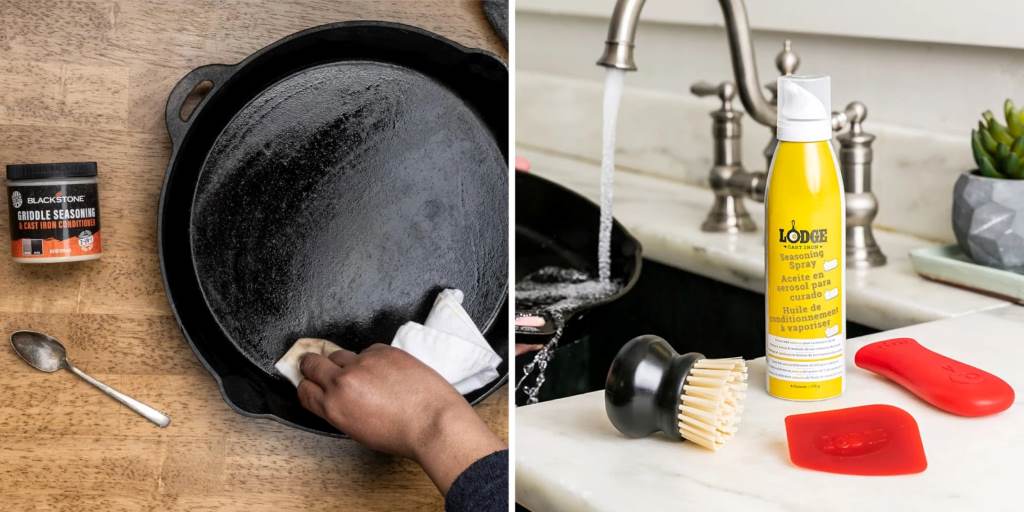
Proper cleaning is crucial before storing cast iron pans or Dutch ovens. After cooking, scrape off food particles with a pan scraper or nylon brush—avoid steel wool, which can damage the non-stick layer. Use warm water and a small amount of dish soap if needed, but never soak the pan, as this promotes rust. Dry thoroughly with a clean towel to prevent water exposure.
For stubborn food residue, sprinkle coarse salt or kosher salt and scrub gently. This method, which I’ve used on my cast iron skillet, preserves the seasoning process while cleaning effectively. If rust spots appear, scrub them with a baking soda paste and re-season with canola oil or flaxseed oil. Always ensure the pan is bone-dry before storage, as even slight dampness can ruin your cookware over time.
Choosing the Right Seasoning Oil for Protection
Seasoning cast iron creates a non-stick surface and protects against rust. Oils with high smoke points, like vegetable oil or Field Company Seasoning Oil, are ideal for maintaining the seasoned surface. Apply a thin layer of oil after cleaning, then heat the pan in an oven preheated to 400 degrees F for an hour to lock in the seasoning.
I learned this the hard way when I used olive oil, which has a lower smoke point and left a sticky residue. Flaxseed oil, praised for its durability, is another excellent choice, though it’s pricier. Avoid using cooking oil with low smoke points, as they can degrade under high heat, compromising the non-stick properties. Regular seasoning ensures your cast iron cookware stays rust-free during long-term storage.
Optimal Storage Conditions to Prevent Rust
Storing cast iron cookware in dry, well-ventilated areas prevents rust spots from forming. Avoid damp conditions, such as basements or sealed cabinets, where moisture can accumulate. A 2024 article by Serious Eats recommends storing cast iron in areas with low humidity to maintain the seasoned surface (https://www.seriouseats.com/how-to-store-cast-iron-cookware).
Use wall hooks, a wall rack, or a heavy-duty pan organizer to keep your cast iron skillet or Dutch oven off damp surfaces. I installed a wall-mounted rack in my kitchen, which not only saved storage space but also kept my pans dry and accessible. Ensure your cookware is completely dry before storing, as even a clean towel can trap residual moisture if not aired out properly.
Creative Storage Solutions for Any Kitchen Layout
Finding storage space for cast iron cookware can be challenging, especially in small kitchens. Wall-mounted racks or cast iron hooks are excellent for keeping pans accessible and rust-free. A pan organizer under a counter can also work, ensuring proper airflow. For my small apartment, I use a wall rack that doubles as a kitchen decor piece.
Alternatively, store cast iron in an oven or on a stovetop if space is tight, but avoid stacking heavy pans to prevent scratching the cooking surface. If stacking is unavoidable, place paper towels between pans to absorb moisture and protect the non-stick layer. These solutions not only prevent rust but also enhance your kitchen layout, making your cookware a functional part of your culinary repertoire.
Common Mistakes to Avoid When Storing Cast Iron
Storing cast iron improperly can ruin its non-stick properties. Avoid damp conditions or stacking wet pans, as this traps moisture and causes rust. Never use metal utensils or steel wool for cleaning, as they strip the seasoned surface. My first Dutch oven developed rust spots after I stored it with a lid on, trapping humidity inside.
Another mistake is neglecting regular seasoning. Without a protective layer of seasoning oil, cast iron is prone to surface rust. Additionally, avoid storing cast iron near acidic foods or in enclosed spaces without ventilation. Using a cleaning kit with a nylon brush and kosher salt can help maintain the pan while avoiding these pitfalls.
Tips for Maintaining Cast Iron During Long-Term Storage
To keep your cast iron cookware rust-free during long-term storage, follow these tips:
- Dry Thoroughly: Use a clean towel to ensure no moisture remains after cleaning.
- Season Regularly: Apply a thin layer of high smoke-point cooking oil before storing.
- Use Paper Towels: Place them between stacked pans to prevent scratches and absorb moisture.
- Store in Dry Areas: Opt for wall hooks or a wall-mounted rack to ensure ventilation.
- Avoid Lids: Store pans without lids to prevent trapped moisture, especially for Dutch ovens.
I’ve found that checking my cast iron skillet every few months and reapplying canola oil keeps it in pristine condition. These steps ensure your cookware remains ready for searing meats or baking a Dutch baby without rust or metallic taste.
Using Cast Iron Cookware in Your Culinary Repertoire
Cast iron’s versatility makes it a must-have kitchen tool. From searing meats to baking bread, its heat retention and non-stick surface shine when properly maintained. However, improper storage can diminish its performance. By using wall racks or pan organizers, you can keep your cast iron accessible and rust-free, ready for any cooking method.
My cast iron stockpots have become staples for slow-cooking stews, thanks to their durability. Incorporating cast iron into your kitchen layout not only saves space but also inspires culinary creativity. With proper storage and seasoning, your pans will remain reliable for years, elevating your cooking experience without the worry of rust.
Keep Your Cast Iron Rust-Free with Smart Storage
Properly storing your cast iron cookware set is key to preserving its non-stick properties and preventing rust spots. By cleaning thoroughly, using high smoke-point seasoning oil, and choosing dry storage conditions like wall hooks or a heavy-duty pan organizer, you can ensure your cast iron skillet or Dutch oven stays in top shape. My journey with cast iron taught me that a little care goes a long way in maintaining this kitchen treasure. Follow these tips to keep your cookware ready for searing meats or baking bread. Share your cast iron storage tips in the comments below or spread this guide to help others keep their pans rust-free!
FAQs
Why does my cast iron skillet develop rust spots?
Rust spots form due to water exposure or damp conditions. Dry thoroughly and store in a well-ventilated area.
Can I use dish soap to clean cast iron before storage?
Yes, use a small amount of dish soap, but avoid soaking and dry completely to prevent rust.
What’s the best oil for seasoning cast iron?
High smoke-point oils like canola oil or flaxseed oil are ideal for a durable non-stick layer.
How can I store cast iron in a small kitchen?
Use wall hooks, a wall-mounted rack, or a pan organizer to save space and ensure ventilation.
Is it safe to stack cast iron pans for storage?
Yes, but place paper towels between pans to prevent scratches and absorb moisture.