RV travel offers freedom, adventure, and a closer connection to nature. However, that dream trip can turn stressful when an accident happens. Knowing how to handle accidents & claims while traveling in your RV in the USA is crucial—not just for peace of mind, but to protect your financial and legal interests.
The Reality of RV Travel Risks
Every year, around 70,000 accidents involve RVs in the U.S., according to data from the Federal Motor Carrier Safety Administration (FMCSA). While RVs provide home-like comfort, they also come with increased responsibility and complexity compared to standard vehicles. From tire blowouts and weather hazards to highway collisions, RVers face unique risks.
A study by the Insurance Institute for Highway Safety (IIHS) highlights that large vehicle accidents often involve visibility challenges and longer braking times. Factor in unpredictable weather, narrow campgrounds, or unfamiliar roads, and it’s clear why preparedness is non-negotiable.
Step-by-Step: What to Do Immediately After an RV Accident
Reacting appropriately in the critical moments after an accident sets the tone for a smooth claims process.
- Ensure Safety First
- Move to a safe location if possible.
- Turn on hazard lights.
- Check everyone for injuries.
- Call Emergency Services
- Always report the incident to local authorities, even if damage appears minor.
- A police report is often essential for insurance claims.
- Document Everything
- Take clear photos of all damage, the scene, skid marks, and license plates.
- Exchange insurance details with all involved parties.
- Avoid Admission of Fault
- Let the police and insurance investigators determine liability.
- Stick to facts, not assumptions.
- Collect Witness Information
- Eyewitness accounts can validate your version of events.
- Contact Your RV Insurance Provider Immediately
- Prompt reporting is often required for coverage eligibility.
RV owners who skip these steps risk delays, claim denials, or even legal complications. Legal experts recommend having a checklist printed and stored in the glove box for emergencies.
The Insurance Claim Process: Breaking It Down
Filing a claim doesn’t have to be overwhelming if you understand the process.
Initial Notification
Notify your insurer as soon as possible. Many companies have 24/7 hotlines or mobile apps. Delays can lead to denied claims, especially if the policy has a short reporting window.
Damage Assessment
An adjuster will inspect the RV and evaluate repair costs. This may involve sending the RV to a licensed repair shop, especially for structural or internal damages.
Claims Review and Payout
Once the damage is assessed and liability determined, your insurance company will issue a settlement offer. This usually covers repair costs, minus your deductible.
Some policies also include:
- Temporary lodging coverage if your RV is uninhabitable.
- Towing services to the nearest approved repair facility.
According to Allstate, RV policyholders should expect claim resolution within 15 to 30 days—depending on claim complexity and availability of replacement parts.
Common Pitfalls to Avoid When Handling Claims
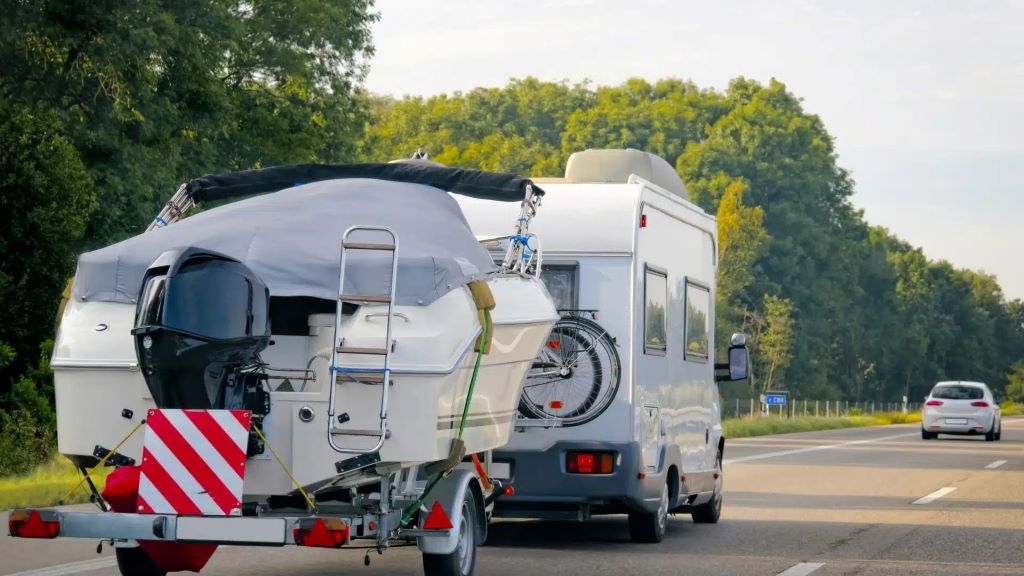
Many travelers make costly mistakes when navigating RV claims. Here are the top missteps and how to avoid them:
- Underestimating coverage needs: Basic auto insurance often doesn’t cover full-time RVers or personal belongings.
- Ignoring state-specific rules: Each state has different liability and accident reporting laws. Research the laws of any state you’re traveling through.
- Using out-of-network repair shops: Some insurers only cover work done at approved facilities.
Review your policy regularly, especially before long trips. AAA recommends checking for exclusions like flood damage, pest infestations, or roof wear-and-tear.
Proactive Tips to Minimize Risk on the Road
Preparation is the best defense against accidents—and claim hassles.
- Install a dashcam to provide real-time evidence in case of a dispute.
- Conduct pre-trip inspections, focusing on tires, brakes, and signal lights.
- Enroll in an RV driving course to build confidence with handling and parking.
- Use GPS tools designed for RVs to avoid roads with low bridges or weight restrictions.
By staying proactive, you protect your investment and ensure smoother travels across the U.S.
Insurance Coverage: Are You Really Protected?
Not all RV insurance is equal. A full-time RVer needs different coverage compared to a weekend traveler.
Key coverage areas to check:
- Comprehensive: Covers non-collision incidents like fire or vandalism.
- Collision: Pays for damage from a crash, regardless of fault.
- Liability: Protects against injury or property damage to others.
- Personal Effects Coverage: Reimburses for stolen or damaged personal items.
- Vacation Liability: Offers liability coverage when the RV is parked.
Progressive Insurance recommends updating your policy annually and after major changes—like installing solar panels or upgrading interiors.
Real-Life Example: How One Couple Navigated an RV Collision
In 2022, a Florida couple experienced a tire blowout while driving through Colorado. Their RV swerved into a median, damaging the chassis and plumbing. Because they had pre-selected an RV-friendly insurance plan with roadside assistance, they were towed to a certified repair shop and provided a hotel stipend.
Their claim was settled within three weeks. The couple credits their fast resolution to documenting everything, contacting the insurer promptly, and knowing their policy inside out.
FAQs: RV Accidents and Claims in the USA
- Do I need to call the police for minor RV accidents?
Yes. A police report adds legitimacy to your claim and helps resolve liability disputes. - Will my auto insurance cover my RV?
Not usually. RVs require a separate policy that covers both vehicle and living quarters. - What should I do if the other driver is uninsured?
Use your uninsured motorist coverage, if available, and file a report with local authorities. - Can I repair my RV myself and still file a claim?
Possibly, but insurers typically prefer certified repair centers. DIY work may void some claims. - What’s the best way to file a claim while traveling?
Use your insurer’s mobile app or hotline. Submit photos and documentation quickly. - Will my premium increase after an RV claim?
It depends on fault, claim amount, and insurer policy. Multiple claims often lead to rate hikes. - Does my RV insurance cover towed vehicles?
Only if explicitly stated. Check your policy or add a trailer/tow vehicle endorsement.
Final Thought: Travel Smarter, Not Riskier
Handling accidents and insurance claims while on the road in your RV doesn’t have to be a nightmare. By knowing how to handle accidents & claims while traveling in your RV in the USA, you empower yourself with foresight, reduce stress, and ensure you’re legally and financially protected.
Stay informed, update your coverage, and always prepare for the unexpected. After all, the goal is to enjoy the journey—not worry about what happens when things go wrong.
Read More: