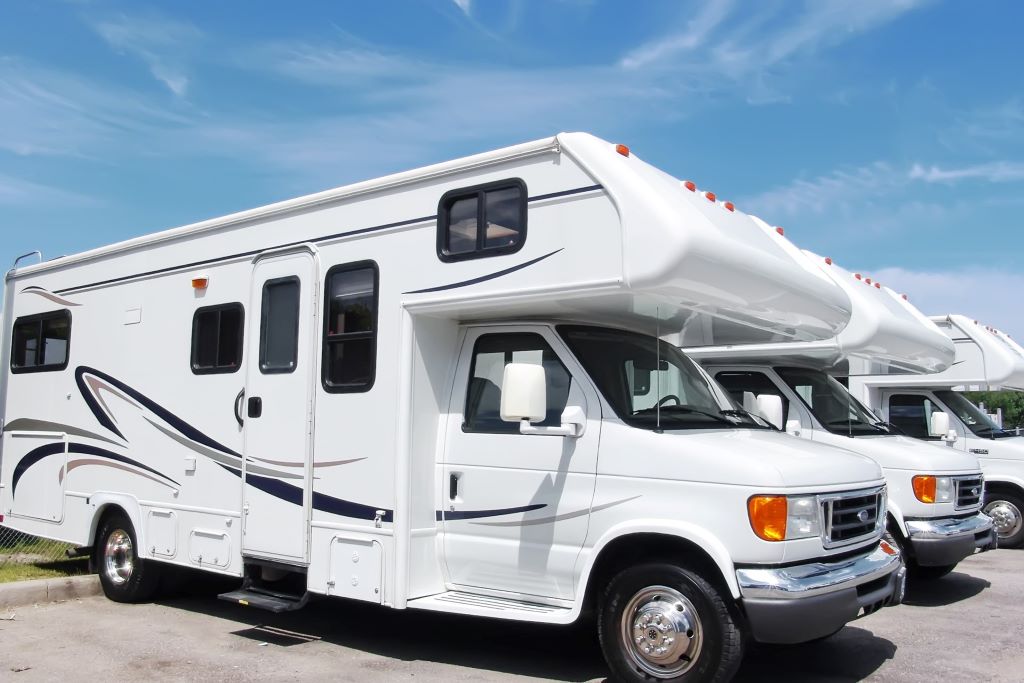
Navigating the motorhome market can feel like steering a massive rig through tight curves. Whether you’re buying or selling, making the right moves means understanding market trends, consumer behavior, and timing. The recreational vehicle (RV) industry continues to evolve, with demand surging due to remote work flexibility and travel freedom. In this guide, you’ll find expert-backed advice to avoid common pitfalls and capitalize on current RV market conditions.
Why the RV Market Matters More Than Ever
Over 11.2 million U.S. households now own an RV, according to the RV Industry Association. That’s a 62% increase from 2001. This growth signals both opportunities and competition in the RV buying and selling landscape. People are choosing motorhomes for affordability, convenience, and freedom. Sellers can benefit from high demand, while buyers must navigate a competitive and fast-moving market.
When Is the Best Time to Buy or Sell a Motorhome?
Timing is everything. For buyers, the off-season—typically fall and winter—offers better deals. Dealers are eager to clear inventory, and private sellers may reduce prices to avoid off-season storage costs. On the flip side, spring and early summer are prime selling seasons. Buyers flood the market, which drives up prices.
However, watch inflation trends. In 2022–2023, RV prices surged due to supply chain issues and material shortages. In 2024, prices started stabilizing, but strategic timing still plays a major role. Sellers should aim for late March through June. Buyers should look for end-of-season deals or during RV shows where exclusive pricing is often offered.
What to Look for When Buying a Motorhome
A smart RV purchase starts with inspection and research. Here are crucial steps to follow:
- Inspect the structure thoroughly: Look for water damage, roof condition, and tire age.
- Review service records: Consistent maintenance suggests reliability.
- Check mileage against age: Less than 5,000 miles per year is standard.
- Test all systems: Ensure appliances, HVAC, plumbing, and electric systems work.
According to Camping World, diesel motorhomes hold value longer than gasoline models, but they also cost more to maintain. Buyers should calculate the total cost of ownership, not just the sticker price.
Additionally, consider depreciation. RVs lose up to 20% of their value the moment they leave the lot. However, Class B vans retain value better due to increased demand from solo travelers and digital nomads.
How to Sell Your RV for Top Dollar
Selling a motorhome involves more than just placing an ad. To command a premium price, you must market it effectively.
- Clean and stage the RV: A clean, well-lit RV sells faster and for more money.
- Take high-resolution photos: Showcase sleeping areas, kitchen, and any upgrades.
- List on multiple platforms: Use RVTrader, Facebook Marketplace, Craigslist, and niche RV forums.
- Price it right: Research comparable listings. Use NADA Guides to get a ballpark figure.
- Disclose everything: Honesty builds trust and prevents deal breakers.
RVTrader.com reports that sellers who provide full maintenance records and upfront condition reports receive 30% more inquiries.
Should You Buy New or Used?
A common dilemma in the RV world is whether to go new or pre-owned. Here’s how they stack up:
- New RVs: Come with warranties, latest features, and no wear-and-tear. But they depreciate fast—up to 40% in five years.
- Used RVs: Cost less and depreciate slower. However, unexpected repairs can arise without warranty coverage.
Experts recommend first-time buyers opt for used units from reputable dealers who offer inspection reports and limited warranties. According to Go RVing, 65% of RV buyers begin with a pre-owned model before upgrading.
Financing Tips and Cost Considerations
RV financing is different from car loans. Longer loan terms and higher interest rates are common.
- Down payments typically range from 10% to 20%.
- Terms can stretch up to 20 years, depending on credit score and vehicle age.
- Shop around. Credit unions often offer better rates than banks or dealership financing.
Always budget for hidden costs: insurance, registration, taxes, maintenance, campground fees, and storage. A 2023 Statista report showed that RV owners spend an average of $1,200 per year on maintenance alone.
Avoiding Common Pitfalls
Many buyers and sellers make critical mistakes that cost time and money:
- Emotional decisions: Falling in love with a model without comparing options can lead to overpaying.
- Skipping inspection: Even minor issues can become expensive if ignored.
- Undervaluing extras: Solar panels, satellite TV, and towing packages add resale value.
- Ignoring weight capacity: Exceeding load limits can damage the frame or drivetrain.
Education and preparation are your best allies. Joining RV forums or attending RV expos can expand your knowledge and help you network with seasoned owners.
✨ Featured Snippet: What Are the Best Motorhome Buying & Selling Tips?
Q: What are the smartest tips for buying and selling a motorhome in today’s market?
A: The smartest approach starts with research. Buyers should inspect all systems, compare multiple models, and buy during the off-season. Prioritize reliable brands like Winnebago, Tiffin, or Thor. Sellers should clean, stage, and professionally photograph their RV, then list it on trusted platforms like RVTrader or Facebook Marketplace. Timing is crucial—sell in spring, buy in fall. Include all service records and price competitively using NADA Guides. Expert tip: add small upgrades like LED lighting or Wi-Fi boosters to boost value. Reviews and maintenance transparency help gain buyer trust fast.
FAQs on Motorhome Buying & Selling Tips
1. What is the average lifespan of a motorhome?
Most motorhomes last 20 years or 200,000 miles with proper maintenance.
2. How much does a motorhome depreciate annually?
On average, 10%–15% annually, but newer models depreciate faster in the first five years.
3. What’s the best way to determine RV resale value?
Use NADA Guides and compare similar listings on RVTrader.
4. Are diesel motorhomes better than gas?
Diesel engines offer longer life and better towing but come with higher costs and maintenance.
5. Can you negotiate RV prices?
Yes. Dealers often mark up prices by 20%–30%. Always negotiate and compare multiple offers.
6. What upgrades increase an RV’s value?
Solar panels, new tires, upgraded mattresses, Wi-Fi extenders, and smart TVs add the most value.
7. Is it better to sell privately or through a dealer?
Private sales typically yield more money, while dealers offer faster transactions with less hassle.
Final Thoughts
Success in the motorhome market boils down to preparation, timing, and knowing your value. Whether you’re stepping into RV ownership or cashing out after years on the road, these motorhome buying and selling tips can save you thousands and spare you headaches. Stay informed, use trusted resources, and make every move with confidence. The RV lifestyle rewards the savvy—and punishes the rushed.
For more expert insight, visit authoritative sites like RVIA.org and Go RVing to stay updated on trends and resources.
Let the open road work for you—financially and personally.
Read More: Best Motorhome Accessories And Gear for Road Trips