
Whether you’re a weekend adventurer or a full-time traveler, your motorhome is more than a vehicle—it’s your home on wheels. However, like any home or automobile, it demands regular maintenance and timely repairs. Ignoring these tasks can lead to safety issues, unexpected breakdowns, and thousands in repair costs. This Essential Motorhome Repairs and Maintenance Guide arms you with knowledge, practical advice, and real-world insights to keep your motorhome in peak condition.
The Reality of Motorhome Wear and Tear
Motorhomes combine the complexity of both automotive engineering and residential systems. According to the RV Industry Association, over 11 million U.S. households now own an RV, with Class C and Class A motorhomes being among the most common. With popularity soaring, so is the frequency of maintenance-related failures. Common problems include roof leaks, plumbing failures, battery issues, and engine troubles. Unlike cars, these systems are exposed to harsh environments and seasonal changes, making regular inspection essential.
Engine & Chassis: The Beating Heart of Your RV
Your motorhome’s engine and chassis demand more attention than a standard vehicle due to weight, long idle periods, and irregular usage. Oil changes should occur every 3,000 to 5,000 miles, or annually if underused. Many owners delay this, thinking limited use means fewer issues. However, sitting still allows condensation to build up, which corrodes internal parts.
Brake pads, transmission fluids, and suspension systems also need regular inspections. According to RV Travel, suspension issues rank among the top three causes of poor drivability. A minor sway or noise can signal a failing shock absorber, which, if ignored, risks complete suspension failure.
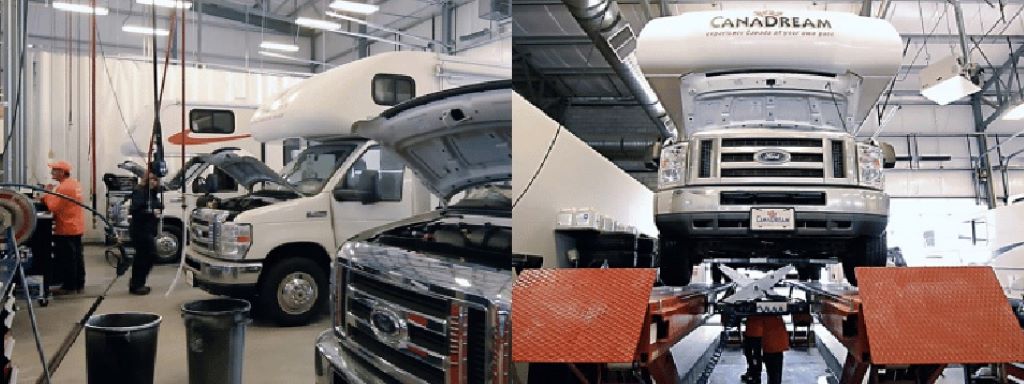
Professional Tip: Schedule a pre-trip engine check every six months or before long journeys. Use reputable RV service centers that understand both the vehicle and home aspects of motorhomes.
Roof Inspections: Your First Line of Defense Against Leaks
Water damage is a silent killer in motorhomes. Leaks typically start on the roof due to aging seals or damaged rubber membranes. RV roof repairs cost an average of $1,500–$3,000, but regular maintenance like sealant reapplication can prevent this.
Inspect your roof every 90 days, especially after heavy rain or snowfall. Use Dicor or similar RV sealants to patch any cracks. It’s a simple DIY process that can save thousands. If unsure, professional inspections range between $100–$300 and often include minor sealing as part of the service.
Pro Insight: Use an infrared moisture detector to check for hidden water leaks inside the walls.
Electrical Systems: Keep the Lights On and Everything Running
RVs have two distinct electrical systems: 12-volt DC and 120-volt AC. Malfunctions in either can create serious issues. Battery failures are common, especially in older rigs. The average RV battery lifespan is 3–5 years, but improper charging habits can shorten this dramatically.
Install a multistage battery charger and monitor voltage levels regularly. Many RV experts suggest upgrading to lithium batteries for better reliability and lifespan. Also, inspect all fuses and circuit breakers monthly. A blown fuse in the converter can kill power to all your lights without warning.
Key Insight: Invest in a surge protector. Power fluctuations at campgrounds are the number one cause of fried RV appliances.
Plumbing & Tanks: Hidden Hazards You Must Monitor
From clogged black tanks to leaky faucets, plumbing issues can ruin your trip. Regular dumping and proper chemical use are essential. Use enzyme-based tank treatments and flush your black tank after every third dump. Avoid products with formaldehyde—they damage seals and are illegal in some states.
Monitor for slow drainage and bad odors. These signs often point to clogs or vent pipe issues. Grey and fresh water tanks need attention, too. Flush them with bleach-water solutions every few months to prevent bacterial growth.
Expert Tip: Use a clear sewer adapter to see when the tank is truly empty, reducing chances of buildup.
HVAC Systems: Comfort in All Climates
A broken AC or furnace in extreme weather isn’t just inconvenient—it’s dangerous. Clean your filters monthly and inspect ducts for blockages. Annual servicing by a qualified technician ensures refrigerant levels are right and combustion is safe.
RV air conditioners generally last 5–10 years, but regular maintenance can extend that. Use a soft brush to clean the evaporator coils and ensure the fan is operating smoothly. Don’t forget the thermostat—it may need recalibration or replacement after a few years.
Tip from the Road: Travel with backup fans and portable heaters, especially if your RV is older.
Tires & Brakes: Safety Starts from the Ground Up
Tire blowouts cause thousands of RV accidents every year. These behemoth vehicles often run on tires stressed beyond their limits. Replace tires every 5–7 years, regardless of tread depth. UV exposure and uneven loading degrade rubber over time.
Always check tire pressure before driving. A 10 PSI difference can increase wear by 25% and lower fuel efficiency. Also, inspect brake rotors and pads—especially if towing or driving through mountainous areas.
Pro Tip: Use tire covers and park on boards or pads to extend tire life and prevent cracking.
Seasonal Maintenance: Year-Round Vigilance
Whether you’re winterizing or dewinterizing, the change of seasons is critical. Drain water lines, add antifreeze to pipes, and seal all external vents during winterization. In spring, flush antifreeze, recharge batteries, and inspect every seal and fluid.
Even in storage, moisture and pests can cause damage. Use moisture absorbers and rodent repellents. A small investment in storage prep can prevent thousands in damage.
Expert Advice: Always inspect your RV monthly in off-season. Small issues grow quickly when ignored.
Featured Snippet: What Are the Most Common Motorhome Repairs and How Can You Prevent Them?
The most common motorhome repairs include roof leaks, electrical failures, plumbing clogs, and engine troubles. Roof leaks occur due to worn sealant and harsh weather. Electrical problems often stem from dead batteries, faulty wiring, or converter issues. Plumbing clogs happen from poor maintenance of black and grey tanks. Engine problems, like misfires or stalling, typically result from infrequent oil changes and neglected air filters.
Professional Tips to Prevent Issues:
- Inspect roof seals quarterly and reseal as needed.
- Use a surge protector to prevent electrical damage.
- Flush tanks regularly with enzyme-based treatments.
- Change oil and air filters every 5,000 miles or annually.
- Store your motorhome with moisture control and pest deterrents.
These proactive steps can dramatically reduce long-term costs and improve your RV’s lifespan.
Real Reviews from the Road
Tom G. from Colorado:
“I saved over $2,000 last year by sealing my roof and changing the brake pads. This guide was a game-changer.”
Lori & Mike, Full-Time RVers:
“Switching to lithium batteries solved our power issues. We’ve had zero failures in two years.”
FAQs
1. How often should I service my motorhome engine?
Every 5,000 miles or annually, even if unused.
2. What’s the best way to prevent water damage?
Inspect and reseal your roof every three months.
3. Can I use household cleaning products in my RV plumbing?
No. Use RV-safe, enzyme-based cleaners only.
4. How do I know if my battery is failing?
Look for dim lights, slow charging, or frequent resets.
5. When should I replace RV tires?
Every 5–7 years, even if they look fine.
6. Is it worth investing in a surge protector?
Absolutely. It protects appliances from power spikes.
7. Do I need to check my RV when it’s in storage?
Yes. Monthly inspections prevent costly surprises.
Final Thought
Owning a motorhome is a rewarding experience that offers freedom, adventure, and the comfort of home on the road. However, that freedom comes with the responsibility of diligent maintenance and timely repairs. Neglecting even small issues can lead to expensive breakdowns and ruined trips. By following this Essential Motorhome Repairs and Maintenance Guide, you’re not just protecting your investment, you’re ensuring safe, smooth, and stress-free travels for years to come. Stay proactive, schedule regular inspections, and never underestimate the power of preventive care. Your future self—and your passengers—will thank you every mile of the way.
For more trusted advice, explore resources from the RV Industry Association or FMCA, both of which provide updated maintenance guidelines and safety tips.