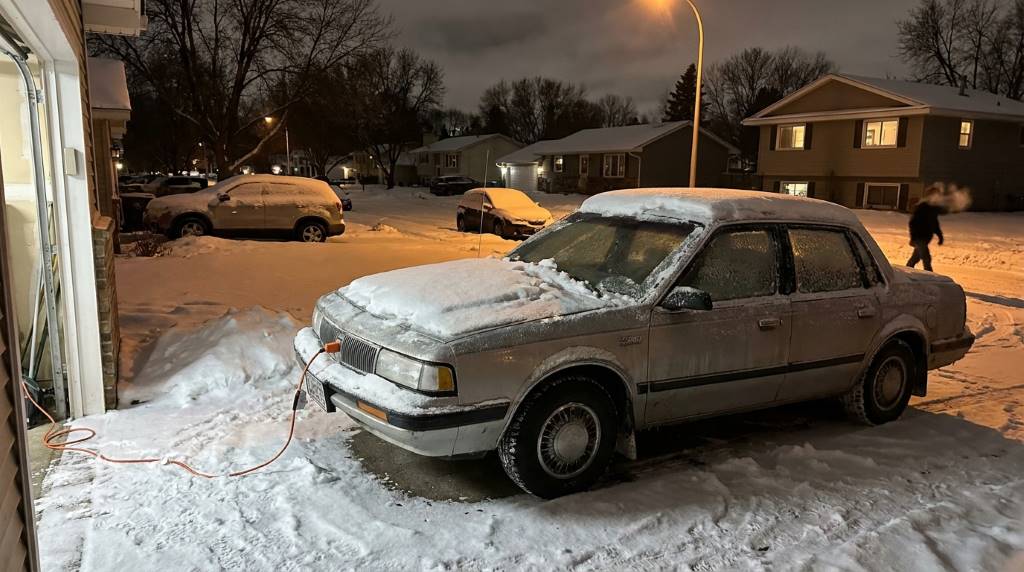
Winter in Minneapolis, MN can push vehicle batteries to their limits within a single night. AAA reports that battery-related service calls rise sharply during extreme cold periods because freezing weather slows chemical reactions inside the battery. Many drivers also underestimate how much power heaters, lights, and defrosters consume during winter travel. Understanding cold car overnight temperature conditions helps drivers prepare before serious battery failure happens. With temperatures often dropping below 0°F, proper battery care becomes essential for reliable morning starts.
Why Minneapolis Winters Damage Car Batteries Faster
Cold weather thickens engine oil and increases the effort needed to start your car. At the same time, freezing temperatures reduce battery capacity by nearly 30% when temperatures fall below 32°F. Minneapolis winters also bring strong winds that make overnight exposure even harsher on parked vehicles. Short daytime trips add another problem because the alternator gets less time to recharge the battery fully.
Drivers who regularly clean corrosion and protect vehicle components often notice fewer winter battery problems during freezing months. Many winter maintenance habits overlap with smart exterior care practices shown in popular car cleaning kits for owners that help prevent moisture buildup around battery terminals. Clean terminals improve electrical flow and reduce unnecessary strain during cold starts. This small habit can extend battery life throughout the entire winter season.
Minneapolis roads also create hidden battery risks because salt and slush increase corrosion around cables and connections. Corrosion blocks electrical transfer and weakens starting power during freezing mornings. Moisture trapped under the hood can freeze overnight and affect sensitive wiring areas. Drivers who ignore these conditions often face sudden breakdowns during early morning commutes.
Test Your Battery Before Extreme Cold Arrives
Battery testing should happen before temperatures begin dropping below freezing at night. Many auto shops in Minneapolis offer free battery checks before winter starts. A weak battery may still work during fall weather but fail completely after one cold snap. Early testing gives you time to replace failing components before emergency situations appear.
Voltage checks reveal how well the battery holds charge under stress conditions. A healthy fully charged battery usually reads around 12.6 volts when the engine is off. Anything significantly lower may signal reduced capacity or internal damage. Testing becomes even more important if your battery is older than three years.
Drivers should also inspect battery cables during the testing process. Loose or cracked cables create inconsistent electrical flow during cold starts. Even a strong battery struggles when cables fail to transfer power efficiently. Replacing damaged connectors costs far less than emergency towing during a snowstorm.
Signs Your Battery May Fail Soon
- Slow engine cranking during morning starts
- Dim headlights before the engine warms up
- Frequent dashboard battery warnings
- Clicking sounds when turning the key
- Electrical accessories losing power unexpectedly
Park Smart During Minneapolis Winter Nights
Parking choices strongly affect battery survival during freezing nights in Minneapolis. A heated garage provides the best protection because warmer temperatures preserve battery chemical activity. Even an unheated garage blocks wind chill and reduces overnight freezing exposure. Drivers without garages should search for covered parking whenever possible.
South-facing parking spots sometimes receive more sunlight during winter afternoons and help reduce overnight freezing buildup. Parking near buildings can also block direct wind exposure that drains battery performance faster. However, avoid parking directly beside snowbanks that trap moisture around the vehicle. Better parking habits reduce both battery stress and engine strain.
Some Minneapolis drivers use insulated battery blankets for extra overnight protection. These heated wraps keep battery temperatures more stable during subzero conditions. Battery blankets work especially well for vehicles parked outside every night. Many delivery drivers and commuters rely on them during long winter seasons.
Limit Power Drain During Short Winter Trips
Short trips quietly weaken batteries throughout winter because the alternator cannot fully recharge after startup. Starting the engine consumes significant battery power in freezing weather. When trips last only a few minutes, the battery loses more energy than it gains back. Repeated short drives slowly reduce charging capacity over time.
Vehicle owners who protect paint and underbody surfaces during winter maintenance often combine battery care with affordable exterior improvements. Many DIY enthusiasts also explore methods explained in paint a car with sprayer budget guides while preparing their vehicles for harsh weather conditions. Combining maintenance tasks saves time and keeps the entire vehicle winter-ready. Consistent upkeep reduces long-term repair costs across multiple systems.
Drivers should avoid running heated seats, defrosters, and high-powered audio systems immediately after startup. Let the alternator stabilize charging first before activating extra accessories. Turning off lights and climate controls before shutting off the engine also reduces next-start power demand. These habits help batteries recover more efficiently between trips.
Best Winter Driving Habits for Battery Health
- Drive at least 20 minutes after a cold start
- Reduce unnecessary accessory use during startup
- Turn off electronics before parking overnight
- Avoid repeated engine restarts within short periods
- Keep fuel levels above half to reduce cold strain
Keep Battery Terminals Clean and Dry
Battery corrosion grows faster in winter because moisture mixes with road salt under the hood. Corroded terminals block electrical transfer and reduce starting efficiency. Even small buildup can prevent full charging during freezing conditions. Regular inspections help drivers catch problems before complete failure occurs.
Cleaning terminals with a baking soda and water solution removes acidic buildup safely. Always disconnect the negative cable first before cleaning any battery area. Dry the terminals fully before reconnecting cables to prevent frozen moisture issues. Applying terminal protection spray afterward helps slow future corrosion growth.
Drivers should inspect battery hold-down brackets as well during cleaning sessions. Loose batteries vibrate more during rough winter driving conditions. Excess movement damages internal battery plates and shortens lifespan significantly. Tight mounting keeps electrical components more stable during icy road travel.
Use a Battery Maintainer During Extreme Cold
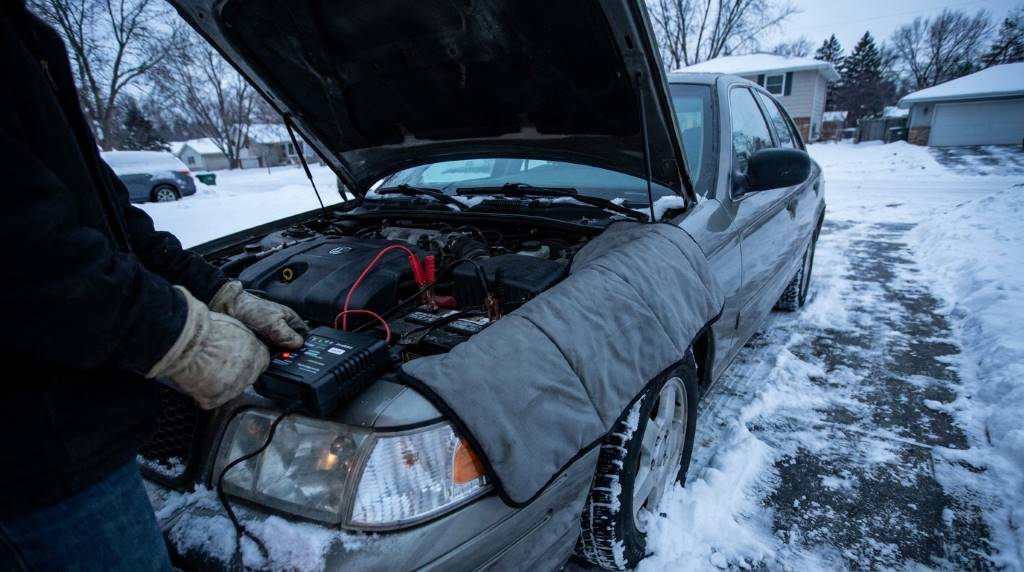
A battery maintainer keeps voltage levels steady when vehicles remain parked for long periods. Minneapolis residents who work remotely or travel frequently benefit greatly from these devices. Unlike standard chargers, maintainers supply small controlled amounts of power automatically. This process prevents deep discharge during freezing nights.
Modern maintainers include automatic shutoff features that prevent overcharging damage. Some smart models even monitor temperature and adjust charging rates based on weather conditions. Drivers who leave vehicles parked outside for several days often avoid dead batteries by using maintainers regularly. This tool becomes especially valuable during January cold waves.
Extension cord safety matters when using maintainers outdoors during snowy weather. Drivers should use weather-rated cords designed for cold environments. Keep connections elevated above snow and slush whenever possible. Proper setup reduces electrical risks and improves charging reliability.
Understand the Hidden Effect of Wind Chill on Batteries
Many blogs discuss freezing temperatures but ignore the impact of wind chill on parked vehicles. Minneapolis experiences strong winter winds that cool engine compartments faster after shutdown. While wind chill does not directly lower battery temperature below air temperature, it speeds up heat loss significantly. Batteries exposed to open windy areas lose warmth much faster than sheltered vehicles.
This faster cooling affects overnight restart performance because batteries start the morning already deeply chilled. Vehicles parked beside open lots, frozen lakes, or wide streets face stronger overnight exposure. Apartment parking ramps with crosswinds also increase battery stress during storms. Choosing wind-protected parking spots can make a noticeable difference during severe cold snaps.
Fleet managers in Minneapolis sometimes rotate parking directions during winter to reduce repeated wind exposure on the same side of vehicles. This uncommon strategy helps maintain more consistent under-hood temperatures overnight. Individual drivers can apply the same idea by changing parking orientation when possible. Small adjustments often improve winter reliability more than drivers expect.
Replace Old Batteries Before They Fail
Waiting for complete battery failure creates unnecessary stress during harsh Minneapolis winters. Older batteries lose reserve capacity even if they still start normally during mild weather. Most car batteries perform best within their first three to five years. Replacing aging batteries before winter often prevents emergency roadside situations.
Drivers should check manufacturing dates printed on battery labels before winter arrives. Some vehicles still carry old batteries that previous owners never replaced. Buying a battery designed for cold cranking amps suitable for Minnesota conditions improves reliability dramatically. Higher cold cranking ratings provide stronger starts during subzero mornings.
Professional installation also ensures proper charging system inspection during replacement. Technicians can identify alternator problems or hidden wiring faults at the same time. Replacing only the battery may not solve issues caused by charging system failure. Complete inspections protect drivers from repeat winter breakdowns.
Prepare an Emergency Winter Battery Kit
Every Minneapolis driver should keep a winter battery emergency kit inside the vehicle. Extreme cold can create sudden no-start situations without warning. Basic emergency tools help drivers respond quickly while waiting for assistance. Preparation reduces stress during dangerous winter conditions.
Useful battery emergency supplies include:
- Portable jump starter pack
- Insulated gloves for cold weather handling
- Battery terminal cleaning brush
- Heavy-duty jumper cables
- Flashlight with spare batteries
- Thermal blanket and hand warmers
Portable lithium jump starters have become especially useful for Minneapolis commuters. Unlike traditional jumper cables, they do not require another vehicle nearby. Many modern units also function in very low temperatures. Keeping one fully charged inside the cabin adds an extra layer of winter security.
Conclusion
Keeping your car battery alive during freezing nights in Minneapolis, MN requires preparation, consistent maintenance, and smart winter driving habits. Simple steps like cleaning terminals, reducing short trips, and using battery maintainers can prevent expensive breakdowns during severe cold. Parking in sheltered areas and replacing weak batteries before winter also improve long-term reliability. Drivers who regularly inspect safety equipment and lifting tools often review guides like choose right car jack safety while building a complete winter emergency setup. Start preparing your vehicle now so freezing Minneapolis nights never leave you stranded.
FAQs
How cold is too cold for a car battery in Minneapolis?
Most car batteries begin losing significant power when temperatures drop below 32°F and struggle heavily below 0°F.
Should I warm up my car every day in winter?
Yes, allowing the engine to run briefly helps circulate fluids and supports battery charging during freezing weather.
Can a battery blanket really help during cold nights?
Yes, battery blankets help maintain warmer temperatures and improve overnight starting performance.
How long do car batteries usually last in Minnesota?
Most batteries in Minnesota last between three and five years depending on winter exposure and maintenance habits.
Why does my battery die after short winter trips?
Short trips prevent the alternator from fully recharging the battery after cold engine starts.