In recent years, a quiet revolution has been sweeping across farms around the world. Traditional wooden barns and pole buildings, long considered staples of the agricultural landscape, are being replaced with sleek, durable metal agricultural structures. From equipment storage and livestock housing to crop protection and workshops, these steel buildings are proving to be a smarter investment for modern farmers. But why the sudden switch? And is it worth the cost?
If you’re a farmer looking for more efficient, long-lasting, and cost-effective ways to manage your operations, this article explains why metal agricultural structures are becoming the new norm — and what you need to know before making the change.
The Rise of Metal Agricultural Buildings: What’s Driving the Shift?
-
Durability and Weather Resistance
Farms are often exposed to harsh environmental conditions — from heavy rains and snow to intense heat and wind. Wooden structures, while traditional and affordable upfront, tend to deteriorate over time, especially when exposed to moisture and pests.
Metal buildings, particularly those made from galvanized steel, offer superior durability. They resist corrosion, mold, termites, and other issues that plague wooden barns. This means they last longer with less maintenance, saving farmers both time and money.
-
Cost-Efficiency Over Time
While the initial cost of constructing a metal agricultural structure might be slightly higher than wood, the long-term financial benefits are significant. These structures typically require less maintenance, are easier to clean, and reduce repair costs over decades of use.
Moreover, modern prefabricated metal buildings can be installed faster than traditional wood-framed structures, cutting down on labor expenses and downtime.
-
Customizability and Versatility
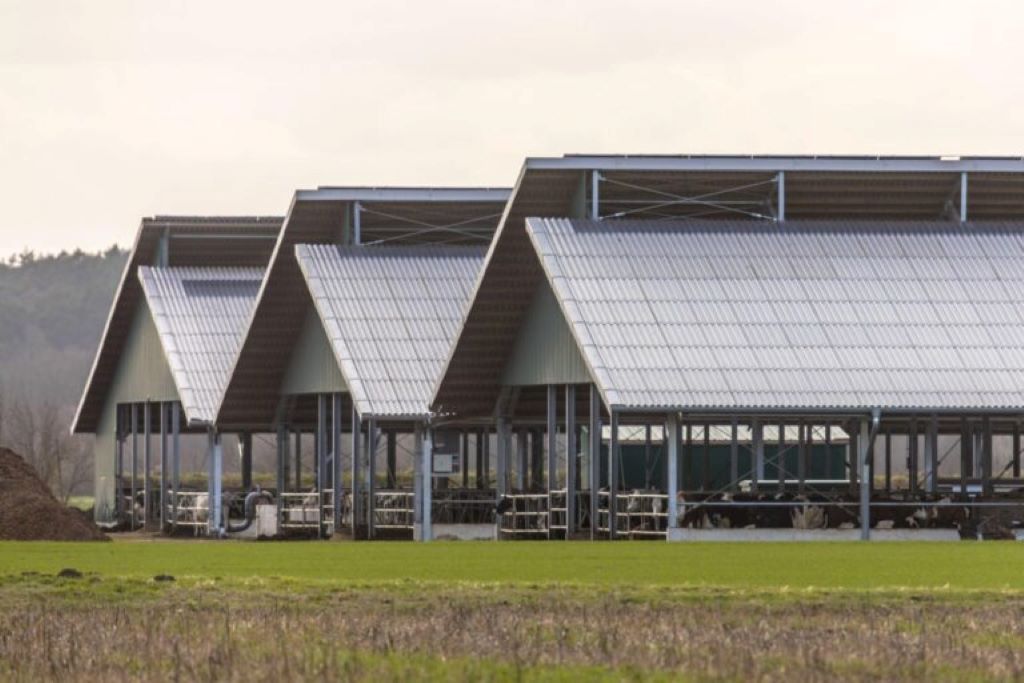
Steel agricultural buildings can be tailored to meet a wide variety of farm needs. Whether it’s a small shed for tools, a spacious machinery garage, a livestock shelter, or even a climate-controlled facility for crop storage, metal buildings offer unmatched flexibility in design.
You can easily expand or reconfigure these buildings as your farm grows or changes — a level of scalability that wooden structures simply can’t match.
Top Uses of Metal Agricultural Structures
✅ Farm Equipment Storage
Tractors, plows, combines, and other farm machinery represent significant investments. Metal buildings protect this equipment from rust, sun exposure, and theft.
✅ Livestock Shelters
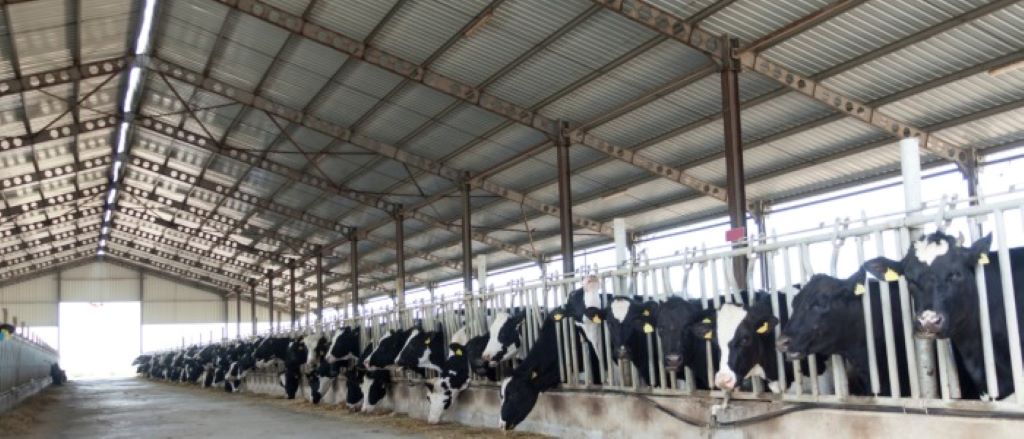
Metal barns can be insulated and ventilated to maintain an ideal climate for animals, whether it’s cattle, poultry, or goats. These shelters offer protection from predators and inclement weather while promoting animal welfare.
✅ Grain & Crop Storage
Steel structures provide airtight, moisture-controlled environments perfect for storing harvested crops. Farmers can reduce post-harvest losses and preserve crop quality until it’s time to sell.
✅ Workshops & Maintenance Sheds
Having a designated area for mechanical repairs or farm projects can streamline operations. Metal workshops are easy to insulate, wire for electricity, and outfit with shelving or workbenches.
✅ Hay Storage
Properly storing hay keeps it dry and safe from pests and mold. Metal buildings can be customized with open or semi-open walls to ensure adequate airflow while shielding hay from the elements.
Benefits of Metal Agricultural Buildings for Modern Farming
✅ Sustainability
Many metal buildings use recycled steel and are fully recyclable at the end of their lifespan. This supports eco-friendly farming practices and aligns with modern environmental standards.
✅ Fire Resistance
Steel is non-combustible, making metal agricultural structures a safer choice in areas prone to wildfires or where fire prevention is a major concern.
✅ Energy Efficiency
Insulated metal structures can regulate temperature effectively. This is essential for livestock comfort and reducing energy bills in climate-controlled areas. Some farmers even install solar panels on their steel roofs to further cut energy costs.
✅ Quick Installation
Prefabricated metal kits can be assembled quickly, often within days, depending on size and complexity. This minimizes disruption and allows farmers to put the building to use sooner.
✅ Low Maintenance
Unlike wood, which may warp, rot, or need repainting, metal buildings typically require only periodic inspections and basic upkeep. Cleaning can be done easily with power washing.
Common Questions About Metal Agricultural Structures
Q1: Are metal buildings more expensive than wood barns?
While upfront costs can be higher, metal structures offer greater longevity and lower maintenance, making them more cost-effective over time.
Q2: Can I insulate a metal farm building?
Yes! Insulation is commonly added to metal structures, making them ideal for livestock, crop storage, or workshops that require temperature regulation.
Q3: Do metal barns rust over time?
High-quality galvanized or coated steel resists rust. Regular inspections and basic maintenance help preserve the structure’s integrity.
Q4: Are metal farm buildings customizable?
Absolutely. From roof height to window placement, door types, ventilation systems, and interior layouts — metal buildings offer vast customization options.
Q5: Can I expand a metal building later?
Yes. One of the greatest advantages of metal agricultural structures is their modularity. You can add additional bays or extensions as your farm grows.
Things to Consider Before Making the Switch
- Zoning & Permits: Check local regulations. Some rural zones still have restrictions or requirements for permanent structures.
- Foundation Needs: While some metal buildings can be anchored directly to the ground, larger ones typically require a concrete foundation.
- Insulation Options: For buildings used year-round, consider spray foam, fiberglass, or radiant barriers to improve energy efficiency.
- Ventilation Requirements: Proper airflow is critical for livestock or crop storage — plan vent placement during the design phase.
- Future Expansion: Think ahead and leave room for potential add-ons or usage changes.
Real-World Testimonials
“We switched to a metal structure for our hay storage three years ago, and it’s paid for itself. Zero water damage and easy to clean.” – Robert M., Iowa Farmer
“My steel machinery shed went up in four days. It’s strong, looks great, and I don’t have to worry about repainting or rot.” – Jessie K., Texas Rancher
“Insulated metal barns helped us maintain perfect temps for our dairy cows — productivity has improved, and so has animal health.” – Angela F., Wisconsin Dairy Farmer
Final Thoughts: Is a Metal Agricultural Structure Right for You?
The transition from traditional wood to steel buildings on farms isn’t just a trend — it’s a practical response to the changing demands of modern agriculture. Metal agricultural structures offer resilience, flexibility, and long-term savings, making them a wise investment for farmers ready to upgrade their infrastructure.
Whether you’re storing crops, protecting valuable equipment, housing animals, or building a reliable workshop, steel buildings provide peace of mind that your operations will be safe, efficient, and scalable for years to come.
Call to Action (CTA)
Ready to future-proof your farm?
Explore metal agricultural building kits from top manufacturers or consult with a farm structure specialist to design the perfect solution for your needs. Don’t wait until weather, pests, or maintenance issues cost you more — invest in a metal structure today and grow with confidence.
Read More:
Best Motorhome Accessories And Gear for Road Trips