
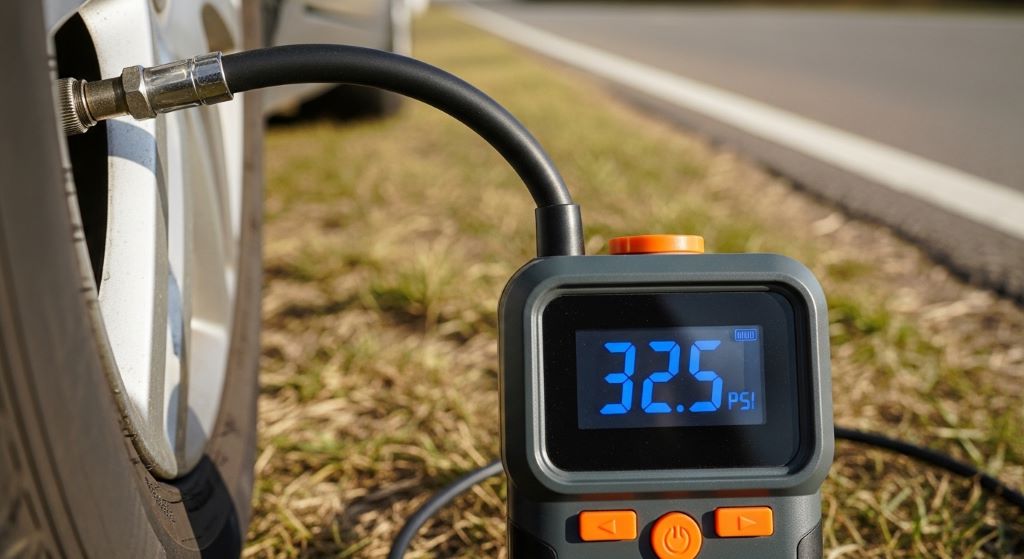
Maintaining proper tire pressure is crucial for vehicle safety and performance. However, many drivers avoid purchasing inflation equipment due to perceived high costs. The good news is that quality doesn’t always require premium prices. Smart shoppers can find reliable tools that fit modest budgets while still delivering excellent performance.
Understanding what makes a tire inflator worth buying helps you avoid costly mistakes. Many affordable options perform just as well as expensive models for typical driving needs. The key lies in knowing which features matter most and which are merely nice extras. This guide will help you navigate the market confidently and make an informed decision.
Understanding Tire Inflator Basics
Before shopping for inflation equipment, you need to understand how these devices work. Most modern inflators use electric motors to compress air and push it into tires. They connect to your vehicle’s power outlet or run on rechargeable batteries. This portability makes them incredibly convenient for roadside emergencies.
The fundamental components include a motor, pressure gauge, hose, and power source. Quality versions of these parts don’t necessarily cost more than inferior ones. However, knowing what to look for helps you distinguish good value from poor construction. Additionally, understanding technical specifications prevents you from paying for features you’ll never use.
Pressure capacity represents the maximum PSI an inflator can achieve. Most passenger vehicles require between 30 and 35 PSI for optimal performance. Therefore, an inflator capable of reaching 50 to 100 PSI handles standard cars easily. Higher capacities suit trucks, SUVs, or specialty applications but aren’t necessary for average drivers.
Inflation speed determines how quickly the device fills your tires. Measured in liters per minute or cubic feet per minute, this specification matters for convenience. Faster isn’t always better if it compromises durability. Moreover, slightly slower inflation often indicates more efficient motor design that extends product lifespan.
Power source options include cigarette lighter adapters, wall plugs, and battery operation. Each type offers distinct advantages depending on your circumstances. Corded models typically provide more consistent power for larger tires. Conversely, battery-powered units offer ultimate portability but may require recharging between uses.
Identifying Your Specific Needs
Every driver has unique requirements based on their vehicle and driving habits. Assessing your situation helps narrow down suitable options significantly. Consider how often you’ll use the inflator and under what conditions.
Vehicle type influences which specifications matter most. Compact cars need less powerful inflators than large trucks or SUVs. Motorcycle owners require different features than RV drivers. Furthermore, if you own multiple vehicles with varying tire sizes, versatility becomes important.
Frequency of use affects durability requirements. Daily commuters who check pressure weekly need more robust construction than occasional drivers. Heavy use demands commercial-grade components that withstand regular operation. However, weekend drivers can often succeed with lighter-duty models that cost considerably less.
Storage space availability impacts size and portability preferences. Small apartments or crowded garages benefit from compact designs. Conversely, those with ample storage can accommodate larger units with additional features. Additionally, consider whether you’ll keep the inflator in your vehicle or store it elsewhere.
Emergency preparedness versus routine maintenance requires different approaches. Emergency-only users prioritize portability and reliability over speed. Regular maintenance users might prefer faster inflation and precise gauge readings. Understanding your primary use case guides your feature priorities.
Climate conditions in your area matter more than many realize. Extreme temperatures affect both tire pressure and inflator performance. Cold climates cause pressure drops requiring frequent adjustments. Hot regions may need heat-resistant components that prevent motor damage during summer use.
Key Features That Deliver Value
Certain features provide genuine value regardless of price point. Focusing on these essentials ensures you get maximum utility from your purchase. Meanwhile, avoiding unnecessary extras keeps costs down without sacrificing performance.
Accurate pressure gauges are absolutely essential for proper tire maintenance. Digital displays typically offer better precision than analog dials. However, quality analog gauges can be perfectly adequate and often cost less. The crucial factor is consistency rather than display type.
Automatic shut-off prevents over-inflation and potential tire damage. This feature lets you set desired pressure and walk away while the device works. Once target pressure is reached, the inflator stops automatically. This convenience justifies slightly higher costs because it prevents expensive mistakes.
Built-in LED lights prove invaluable during nighttime emergencies or poorly lit areas. This simple addition dramatically improves usability without significantly increasing cost. Moreover, integrated lighting eliminates the need for separate flashlights during roadside repairs.
Multiple nozzle adapters expand functionality beyond vehicle tires. Sports equipment, bicycle tires, and inflatable toys all use different valve types. Including various adapters makes your inflator useful for numerous applications. This versatility improves overall value even if you primarily inflate car tires.
Thermal protection prevents motor burnout during extended use. Quality inflators incorporate sensors that shut down before overheating occurs. This safety feature extends product life significantly. Therefore, it represents smart engineering rather than unnecessary expense.
Cord or hose length affects convenience considerably. Short cords limit which tires you can reach from a single outlet position. Longer options provide flexibility but may tangle or create storage challenges. Finding the right balance depends on your vehicle configuration and personal preferences.
Where to Find the Best Deals
Shopping strategically helps you discover excellent products at reasonable prices. Different retailers offer various advantages depending on what you prioritize. Understanding where to look expands your options significantly.
Online marketplaces provide vast selection and competitive pricing. Major platforms feature thousands of models across all price ranges. Additionally, customer reviews offer valuable insights into real-world performance. However, you cannot physically examine products before purchasing.
Auto parts stores carry curated selections of reliable brands. Staff often provide knowledgeable advice based on customer feedback. Furthermore, these retailers typically stock replacement parts and accessories. Returns and warranty claims are usually straightforward at established chains.
Big box retailers offer seasonal sales that dramatically reduce prices. Hardware stores frequently discount automotive accessories during spring and fall. These promotions provide opportunities to buy quality equipment at budget tire inflator prices. Timing your purchase around these sales maximizes savings.
Manufacturer websites sometimes offer direct-to-consumer discounts. Buying directly eliminates retailer markups while ensuring product authenticity. Moreover, manufacturers often bundle accessories or extended warranties with direct purchases. Subscribing to email lists alerts you to special promotions.
Secondhand marketplaces can yield surprising finds for patient shoppers. Lightly used inflators often sell for fractions of retail prices. However, buying used requires careful inspection and testing before committing. Additionally, warranty coverage typically doesn’t transfer to subsequent owners.
Membership clubs and warehouse stores leverage bulk buying for lower prices. These retailers negotiate better terms with manufacturers than individual stores can. Therefore, members access quality products at reduced costs. Annual membership fees quickly pay for themselves through automotive tool purchases.
Evaluating Build Quality on a Budget
Price doesn’t always correlate directly with durability or performance. Learning to assess construction quality helps you identify well-made affordable options. Several indicators reveal whether a cheap car air pump will last or fail quickly.
Housing materials significantly impact longevity and reliability. Metal casings generally outlast plastic but add weight and cost. However, high-quality reinforced plastics perform admirably for typical use. Inspect seams and joints for gaps or misalignment that suggest poor manufacturing.
Motor quality determines both performance and lifespan. Listen for smooth, consistent operation without excessive noise or vibration. Rattling or grinding sounds indicate loose components or inferior bearings. Additionally, motors should start promptly without hesitation or stuttering.
Hose and connection durability prevent frustrating leaks and failures. Quality hoses resist kinking while remaining flexible across temperature ranges. Metal connectors last longer than plastic alternatives. Furthermore, threaded connections seal better than push-on types that loosen over time.
Gauge reliability can be tested by comparing readings between devices. Visit a gas station with known accurate equipment and compare measurements. Consistent readings within one PSI indicate acceptable precision. Greater variance suggests calibration issues that undermine the tool’s primary purpose.
Cord construction reveals manufacturing attention to detail. Well-made power cords feature strain relief where they enter the housing. This prevents internal wire breakage from repeated bending. Moreover, adequate insulation protects against weather exposure and accidental damage.
Warranty coverage indicates manufacturer confidence in their product. Longer warranties suggest better quality control and durable construction. However, some budget brands offer limited warranties to reduce costs. Read terms carefully to understand what coverage actually includes.

Common Mistakes to Avoid
Even informed shoppers sometimes make purchasing errors that waste money. Recognizing these pitfalls helps you avoid disappointment and unnecessary expenses. Learning from others’ mistakes is cheaper than making your own.
Buying the cheapest option without research rarely ends well. Rock-bottom prices often indicate compromised quality that fails quickly. However, this doesn’t mean expensive equals better. Instead, look for the best value within reasonable price ranges.
Overlooking power requirements causes frustration when devices underperform. Verify that your vehicle’s outlet provides adequate amperage for the inflator. Some older vehicles have limited electrical capacity. Additionally, battery-powered units need sufficient charge before use.
Ignoring size and weight considerations leads to storage problems. Compact inflators fit easily in trunks but may lack power for larger tires. Conversely, powerful units can be too bulky for convenient storage. Balance portability with performance based on your specific needs.
Failing to read reviews from multiple sources provides incomplete information. A few negative reviews among hundreds of positive ones may indicate user error. However, consistent complaints about specific issues suggest genuine problems. Look for patterns in feedback rather than isolated incidents.
Neglecting to verify return policies creates problems if products disappoint. Understanding return windows and conditions before purchasing protects your investment. Some retailers charge restocking fees or require original packaging. Therefore, save all materials until you’ve tested the inflator thoroughly.
Assuming all features are equally useful leads to paying for unnecessary extras. Fancy digital displays or app connectivity sound impressive but may not enhance actual performance. Focus on core functionality rather than gimmicks that increase cost without improving results.
Maintenance Tips for Longevity
Proper care extends the life of even budget-priced equipment significantly. Simple maintenance routines prevent premature failure and ensure reliable operation. Additionally, good habits maximize your return on investment regardless of initial cost.
Regular cleaning prevents dirt and debris from damaging moving parts. Wipe down the exterior after each use to remove road grime. Pay special attention to air intake vents that can become clogged. Furthermore, clean nozzles and connectors to maintain proper seals.
Proper storage protects components from environmental damage. Keep inflators in cool, dry locations away from direct sunlight. Extreme temperatures degrade plastics and electrical components over time. Moreover, storing units in carrying cases prevents physical damage during transport.
Periodic testing ensures equipment remains ready for emergencies. Run your inflator monthly even if you don’t need to inflate anything. This practice keeps seals lubricated and identifies problems before they become critical. Additionally, verify gauge accuracy against known standards occasionally.
Avoiding overuse prevents motor burnout and mechanical failures. Most consumer-grade inflators need rest periods after continuous operation. Follow manufacturer guidelines about duty cycles and cooling times. Therefore, patience during use translates to longer equipment life.
Cable and hose care prevents common failure points. Coil cords loosely rather than creating tight kinks. Store hoses straight or in gentle curves to maintain flexibility. Furthermore, inspect connections regularly for cracks or wear that could cause air leaks.
Battery maintenance applies to cordless models specifically. Follow charging recommendations to maximize battery lifespan. Avoid completely draining batteries before recharging when possible. Moreover, store partially charged rather than empty if not using for extended periods.
Understanding True Value Beyond Price
Cost-effective purchasing means getting the best performance per dollar spent. True value considers both purchase price and long-term ownership costs. Therefore, slightly higher initial investment sometimes yields better overall value.
Reliability reduces total cost of ownership significantly. A device that works consistently for years costs less than multiple cheap replacements. Calculate expected lifespan when comparing options. Additionally, consider inconvenience costs of equipment failure during emergencies.
Versatility increases value by serving multiple purposes. Inflators with various adapters replace several specialized tools. This consolidation saves money and storage space. Furthermore, multi-function devices get used more frequently, improving return on investment.
Energy efficiency affects operating costs over time. More efficient motors draw less power and generate less heat. This reduces strain on your vehicle’s electrical system. Moreover, battery-powered units with better efficiency require less frequent charging.
Repair and replacement part availability extends useful life considerably. Products from established brands typically have accessible parts and service. Obscure brands may become unsupported quickly. Therefore, maintainable equipment represents better long-term value.
Resale potential matters if you upgrade or change vehicles. Quality equipment retains value better than cheap alternatives. Well-maintained inflators can be sold secondhand to recoup some initial cost. This factor further improves overall value proposition.
Making the Final Decision
After researching and comparing options, making your selection becomes straightforward. Consolidating your findings into actionable criteria simplifies the decision process. Trust your analysis while remaining flexible about specific brands or models.
Create a prioritized feature list based on your identified needs. Rank requirements from essential to nice-to-have. This hierarchy guides comparisons when products offer different combinations of features. Additionally, it prevents being swayed by impressive but unnecessary capabilities.
Set a realistic budget range rather than a fixed price point. Allow some flexibility for exceptional value opportunities. However, establish firm upper limits to prevent overspending. Therefore, you can act quickly when finding ideal matches without financial stress.
Compare at least three to five different models before committing. This sampling provides perspective on available features and typical pricing. Look for sweet spots where price and performance align favorably. Moreover, comparing multiple options reveals which features truly matter to you.
Read recent reviews from verified purchasers when possible. Focus on feedback from users with similar needs and vehicles. Weight recent reviews more heavily than older ones since products evolve. Furthermore, check for manufacturer responses to complaints indicating customer service quality.
Trust your instincts after completing due diligence. If something seems too good to be true, investigate thoroughly before purchasing. Conversely, don’t let perfect be the enemy of good enough. Sometimes adequate performance at great prices beats slight performance gains at premium costs.
Conclusion
Finding quality tire inflation equipment within budget constraints is entirely achievable. Success requires understanding your specific needs and which features deliver genuine value. Additionally, knowing where to shop and how to evaluate quality separates smart purchases from wasteful ones.
Focus on essential features like accurate gauges, automatic shut-off, and adequate power capacity. Avoid paying for unnecessary extras that increase cost without improving core functionality. Furthermore, remember that proper maintenance extends the life of even modest purchases significantly.
Strategic shopping during sales and at the right retailers uncovers excellent deals on reliable products. Reading reviews and comparing multiple options ensures informed decisions rather than impulse purchases. Moreover, thinking long-term about total ownership costs rather than just initial price guides better choices.
Quality inflation equipment doesn’t require breaking the bank. Many affordable options perform admirably for typical driving needs. By applying the strategies outlined in this guide, you can confidently purchase a budget tire inflator that serves you well for years. Proper tire pressure maintenance becomes convenient and economical with the right tools.
Frequently Asked Questions
How much should I expect to spend on a decent tire inflator?
Quality tire inflators are available across a wide price range from thirty to one hundred fifty dollars. For typical passenger vehicles, models in the fifty to eighty dollar range offer excellent performance and durability. These mid-range options include essential features like automatic shut-off, digital gauges, and LED lighting. Higher prices often reflect additional power for commercial use or premium brand names rather than substantially better performance for average drivers.
Can cheap inflators damage my tires or vehicle?
Reputable cheap car air pump options from established brands are perfectly safe when used correctly. The primary risk comes from inaccurate gauges causing over-inflation, which is why gauge quality matters regardless of price. Always verify pressure with a separate gauge initially and monitor inflation carefully. Additionally, avoid running inflators beyond their duty cycle limits, as overheating can cause failures. Following manufacturer instructions prevents damage to both equipment and vehicles.
How often should I replace my tire inflator?
With proper maintenance, quality inflators last five to ten years or longer depending on usage frequency. Signs that replacement is needed include motor failure, consistently inaccurate readings, or damaged hoses and connections. Regular users should inspect equipment annually for wear indicators. However, occasional users may find their inflators last well beyond a decade. Proper storage and care significantly extends lifespan regardless of initial purchase price.
Are battery-powered inflators as effective as corded models?
Modern battery-powered inflators perform comparably to corded versions for passenger vehicle tires. They offer superior portability and convenience without requiring vehicle power access. However, battery units may struggle with larger truck or SUV tires without recharging between wheels. Corded models typically provide more consistent power for extended use. Your choice should reflect whether portability or maximum power capacity matters more for your specific needs.
What’s the difference between PSI and BAR on pressure gauges?
PSI stands for pounds per square inch, the standard pressure measurement in the United States. BAR represents atmospheric pressure units commonly used internationally, with one BAR equaling approximately 14.5 PSI. Most inflators display both measurements for versatility. Your vehicle’s recommended tire pressure is listed on the driver’s door jamb or owner’s manual, typically in PSI for American vehicles. Simply ensure your inflator’s maximum capacity exceeds your vehicle’s requirements in whichever unit you prefer.
Related Topics:
Essential Motorhome Repairs And Maintenance Guide
Calibrating ADAS Sensors After Alignment: Ensuring Vehicle Safety