Lifting a car isn’t just a mechanical task—it’s a safety-critical decision. Choosing the wrong car jack or using subpar jack stands can turn routine maintenance into a deadly mistake. According to the National Highway Traffic Safety Administration (NHTSA), approximately 4,822 injuries annually are linked to vehicle lifts gone wrong. That makes knowing how to choose the right car jack and jack stands for safety not only smart but essential.
Understanding Car Jacks: More Than Just a Lift
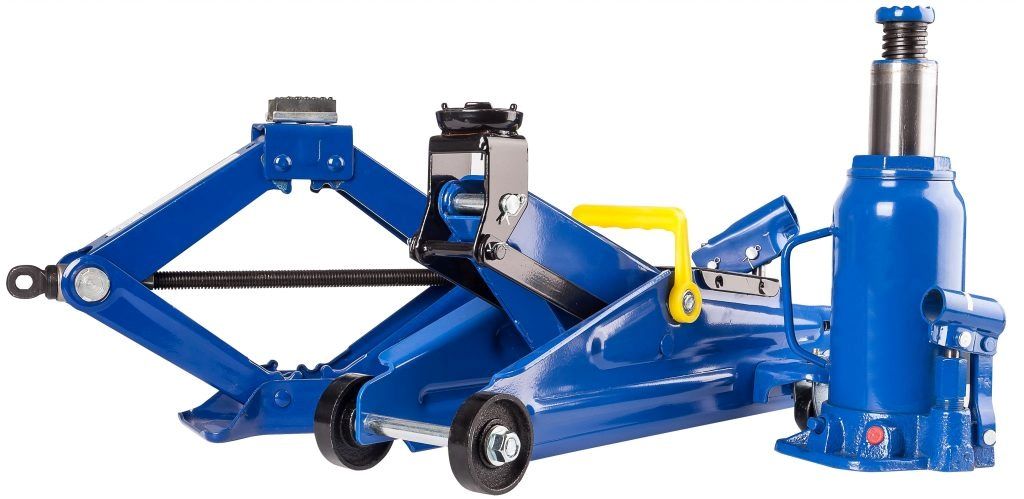
A car jack is the tool that lifts your vehicle off the ground. But not all jacks are built equally. There are several types—each suited to different vehicles and tasks.
- Scissor Jacks: These come with most cars and are compact. However, they’re best used in emergencies and not for extended work.
- Hydraulic Bottle Jacks: These are powerful and compact but unstable on uneven surfaces.
- Hydraulic Floor Jacks: Preferred in workshops for their ease of use and stability, but they’re bulky and expensive.
While a scissor jack might be enough to change a flat on the highway, it’s not ideal for oil changes or brake jobs. Hydraulic jacks offer better lifting capacity and speed, making them safer for routine maintenance.
Matching the Jack to the Vehicle Weight
One of the most overlooked aspects is the jack’s weight rating. If your jack can’t lift the full weight of your car, it’s useless—and dangerous. For instance, if you drive a 4,500-pound SUV, your jack should have at least a 2.5-ton capacity. Most manufacturers recommend jacks with a rating at least 25% higher than your car’s curb weight for safety margins.
According to Popular Mechanics, overloading a jack is one of the top causes of lift failure. Always check the owner’s manual for your vehicle’s weight and match accordingly. Never guess.
Jack Stands: The Unsung Heroes of Vehicle Safety
If the jack is the muscle, jack stands are the bones. Once your vehicle is lifted, jack stands hold it in place. No matter how reliable your jack is, never work under a car supported by a jack alone. Jack stands are designed for static load-bearing, which makes them the safe option for extended repairs.
Look for stands with a wide base, ratcheting height adjustment, and ANSI/ASME certification. Inferior jack stands, especially cheap models sold online, often lack structural integrity. In 2020, Harbor Freight had to recall over 1.7 million jack stands for collapsing under load—proving that price should never outweigh quality.
Ground Surface Matters
Many overlook the impact of terrain when lifting a car. Jacks and stands need a flat, solid surface. Gravel, grass, or uneven asphalt can shift under pressure, making the lift unstable. Using plywood under the jack and stands can help distribute weight more evenly on softer ground. For garage users, investing in rubber or steel jack pads can increase safety and prevent slippage.
Steel vs. Aluminum: Which Is Safer?
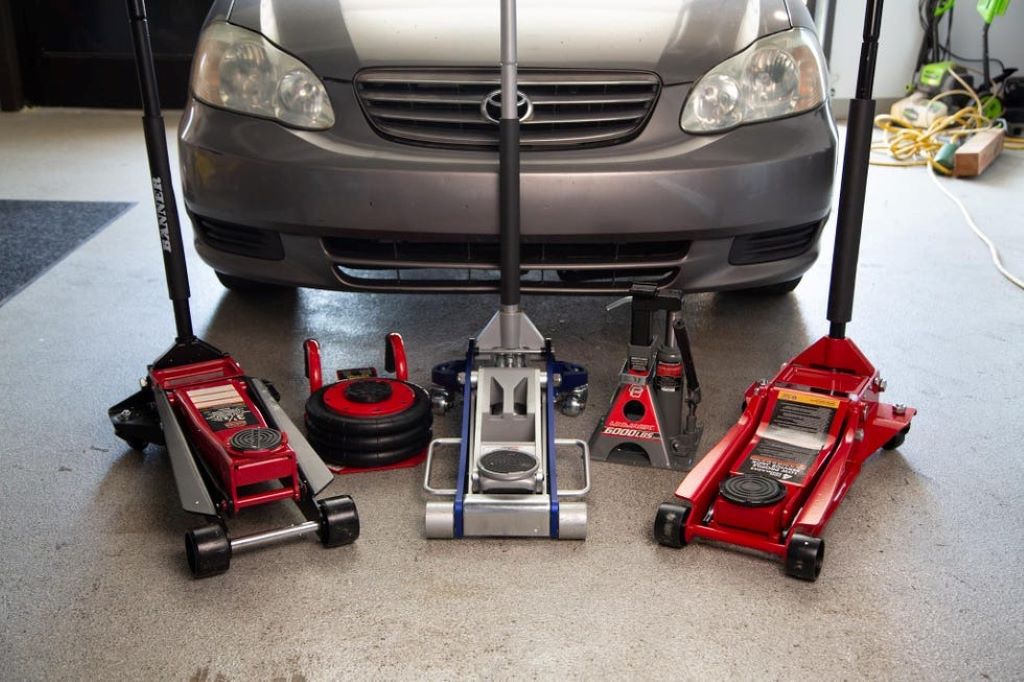
There’s debate around steel and aluminum tools. Steel jacks and stands are heavier but more durable. Aluminum versions are lighter and more portable, favored by racers and mobile mechanics. However, aluminum can dent or deform under extreme load or repeated use.
Auto experts at Car and Driver argue that for casual users, steel remains the better long-term investment. For weekend racers or light-duty users, high-quality aluminum products can work—if they’re certified and maintained well.
Consider the Lift Range
Your jack’s lifting range should align with your vehicle’s ground clearance. For sports cars or lowered vehicles, low-profile jacks are essential. High-clearance trucks and SUVs may require taller jacks or extensions. Never try to “force” a jack to lift beyond its rated height. Doing so invites catastrophic failure.
Price vs. Safety: What Should You Spend?
A high-quality jack and a pair of jack stands may cost $150–$300 combined. It’s tempting to save with cheaper alternatives, but as The Drive notes, bargain equipment can quickly become a liability. Prioritize safety certifications, solid reviews, and metal construction. Tools from brands like Arcan, Torin, and Hein-Werner are consistently rated as reliable and safe.
Storage and Portability
If you have limited garage space, compact jacks are ideal. But portability should never compromise stability. Consider your usage: daily drivers might benefit from a rolling floor jack, while off-roaders may need a bottle jack that fits in a cargo box.
Proper Usage = Lifesaving Practice
Even the best jack and stands won’t help if used improperly. Always:
- Engage the parking brake.
- Chock the wheels.
- Place the jack on the manufacturer’s recommended lift point.
- Confirm the vehicle is stable before crawling underneath.
- Never exceed the rated capacity.
Use jack stands in pairs—never mix and match. Always raise both sides evenly if working from the center.
External Authority on Best Practices
According to Consumer Reports, choosing lifting equipment should also factor in safety recall history, warranty coverage, and user instructions. A poorly designed manual or missing safety features is a red flag.
FAQs: How to Choose the Right Car Jack and Jack Stands for Safety
- Can I rely on the jack that came with my car?
Only in emergencies. It’s not safe for extended repairs or routine maintenance. - Are jack stands really necessary if I use a hydraulic jack?
Yes. Jacks can fail. Jack stands are your true safety net. - What jack type is best for trucks or SUVs?
Hydraulic bottle or high-lift floor jacks are best for heavy vehicles with high clearance. - Can I use jack stands on uneven ground?
No. Always work on flat, hard surfaces to avoid tilting or collapse. - How do I know if a jack or stand is certified?
Look for ANSI/ASME certifications stamped on the tool or listed on the packaging. - How often should I replace or inspect these tools?
Inspect before each use. Replace if rusted, bent, or if they fail to hold pressure or weight. - Is aluminum safe for frequent use?
Yes, if it’s from a trusted brand and used within load limits. Steel, however, offers better durability.
Final Thought
Knowing how to choose the right car jack and jack stands for safety is not just about picking tools—it’s about protecting your life. Lifting a car improperly can lead to injury or death in seconds. When choosing equipment, prioritize safety ratings, load capacity, and terrain compatibility. Think long-term, not short-term savings. The best jack is the one that keeps you alive—and on the road.
By investing in the right lifting tools and using them correctly, you’re not just maintaining your vehicle. You’re building a garage where safety stands tall.
Read More:
In-Depth Motorhome Reviews | Features, Pros & Cons