When I first embraced full-time RV living, I pictured freedom, nature, and fewer expenses. The dream was seductive—no rent, no city chaos, just me and the open road. However, the reality was far more complex. While the lifestyle brings undeniable rewards, it also demands careful planning, emotional resilience, and unexpected adjustments. If you’re considering this lifestyle shift, here’s everything I wish I’d known before taking the plunge.
The Illusion of Low-Cost Living
A major reason many consider full-time RV life is to save money. It makes sense—downsizing from a home or apartment into a vehicle should reduce costs. But that’s not the whole story.
While you may eliminate rent or a mortgage, other costs rise quickly. RV maintenance, gas, campground fees, insurance, and unexpected repairs can eat into your budget. According to RV Industry Association, monthly expenses for full-time RVers range from $1,400 to $3,000 depending on lifestyle and rig type. If you’re moving often, fuel can cost upwards of $500 per month.
I initially thought I’d boondock most nights for free. But in reality, access to reliable water, trash disposal, and Wi-Fi often meant paying for campgrounds or RV parks. Saving money is possible, but only with strict budgeting and sacrifice.
Campground Realities Are Not Instagram-Worthy
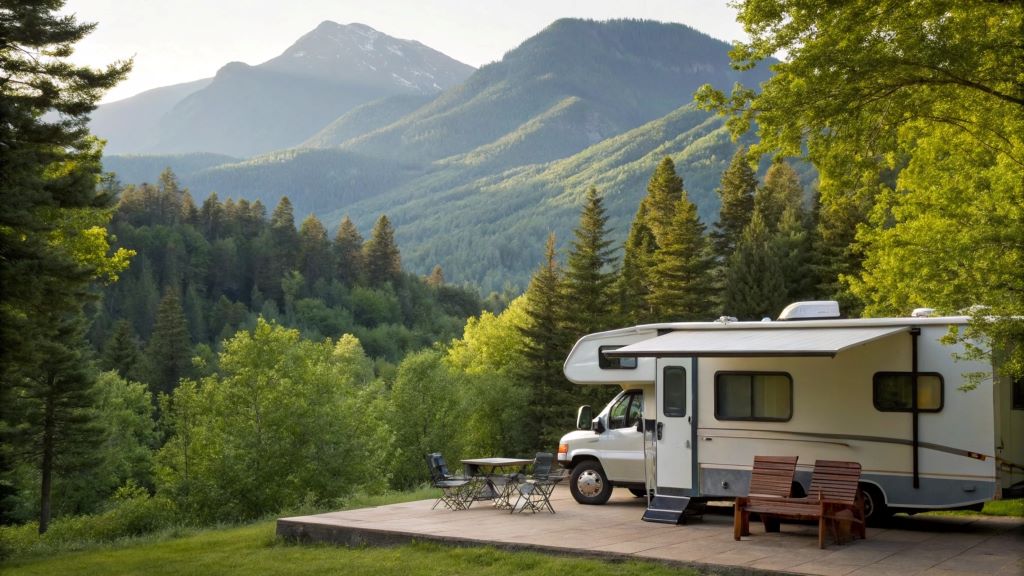
You’ve seen the scenic shots—RVs parked on a cliffside or beside a pristine lake. While those places exist, they’re rare, often overcrowded, or inaccessible for larger rigs.
In truth, many campgrounds are fully booked during peak seasons. Some have outdated facilities or noisy neighbors. Long-term stays often come with limitations, like restrictions on campfire use, pets, or even vehicle age. I once got turned away because my rig was over ten years old, a policy some private parks strictly enforce.
Additionally, reliable internet is inconsistent. If you work remotely, like I do, you’ll need signal boosters or mobile data plans. Companies like Nomad Internet and Starlink offer solutions, but at a cost—expect to pay $100+ per month just for connectivity.
Maintenance Is Constant and Unforgiving
Living in an RV full-time turns you into a part-time mechanic. Whether it’s a leaky roof, faulty slide-outs, or an electrical gremlin, problems will happen. And unlike a house, breakdowns in an RV can mean your entire home is unusable.
I once spent three nights in a repair shop’s parking lot because a cracked water line flooded my undercarriage. It cost $1,200 and ruined my travel plans. Preventative maintenance is essential—something I underestimated early on.
You’ll need tools, spare parts, and knowledge to handle minor issues. Watching YouTube tutorials or joining RV forums like iRV2 helps, but time and patience are equally necessary.
Loneliness and Isolation Are Real Challenges
One aspect I didn’t expect was the emotional toll. Life on the road can feel isolating. When you’re always moving, it’s hard to form lasting friendships. Sure, you’ll meet people, but those relationships are often fleeting.
Holidays without family, bad weather isolating you for days, and breakdowns in remote areas can test your mental stamina. Some RVers mitigate this by joining clubs like Escapees RV Club, which hosts meetups and events nationwide. Others travel in caravans or choose longer stays to build community.
Downsizing Is More Than Just Physical
Letting go of possessions sounds freeing—and it is—but it’s also emotionally taxing. I underestimated the psychological weight of giving up “permanent” things: closets full of clothes, bookshelves, family heirlooms.
You must become a minimalist, living with only what you need. Every item must earn its place. Kitchen gadgets? Only the essentials. Clothes? Think layers and function. Sentimental items? Most won’t fit.
It took me months to emotionally detach from “stuff.” But in doing so, I gained a new appreciation for experiences over belongings.
Weather Matters More Than You Think
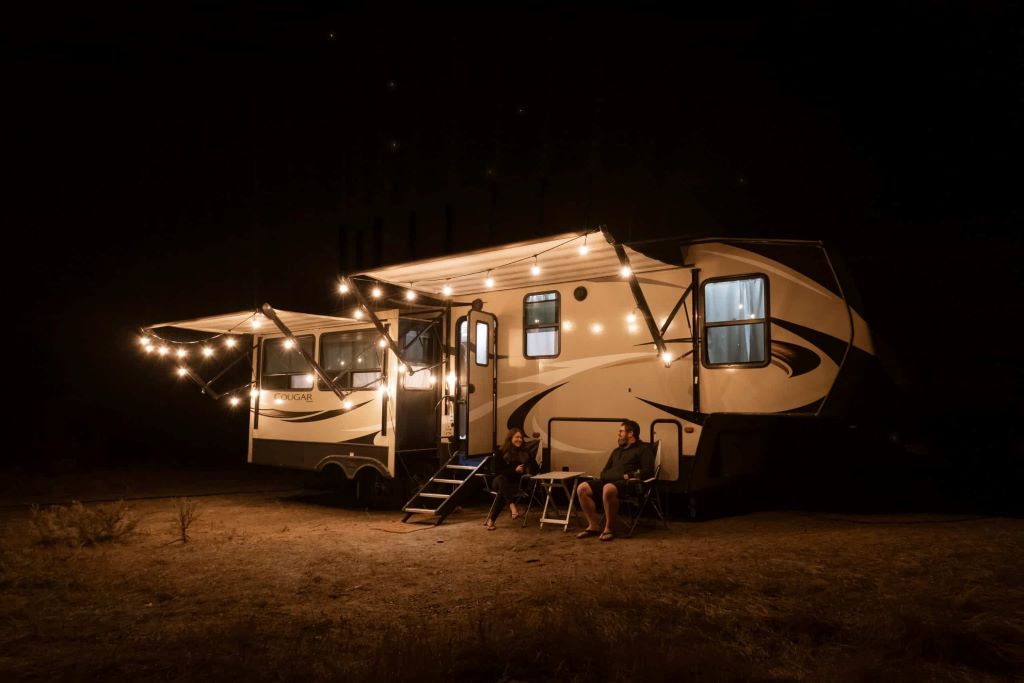
Most people don’t plan their lives around the weather—but RVers must. Temperatures affect comfort, safety, and even your rig’s functionality.
Hot climates strain your air conditioner and fridge. Cold climates risk frozen pipes. In 2021, Texas’s unexpected freeze left hundreds of RVers stranded without power or water.
Now, I plan routes around weather patterns. Apps like Windy or RV Life Pro help, but it’s still stressful. One bad storm can delay travel or force emergency repairs.
It’s a Lifestyle, Not a Vacation
The biggest misconception I had? That RV life would feel like a constant vacation. In truth, it’s more like full-time work with a moving office.
You’re still doing dishes, laundry, grocery runs, and errands—just in a tighter space and often unfamiliar territory. Navigation, route planning, and setup/takedown routines consume energy. It’s rewarding, but not restful.
Romanticizing RV life blinds you to its demands. Embrace the reality, and you’ll adapt. Ignore it, and you’ll burn out quickly.
FAQs About Full-Time RV Living
- How much does it cost to live in an RV full-time?
It typically ranges from $1,400 to $3,000 per month, depending on travel frequency and lifestyle. - Do I need a special license to drive an RV?
For most RVs under 26,000 pounds, a regular driver’s license suffices. Larger rigs may require a commercial license in some states. - Can I still work remotely while RVing?
Yes, but reliable internet is essential. Invest in mobile hotspots, boosters, or Starlink to stay connected. - What’s the best RV for full-time living?
It depends on your needs. Class A offers space, Class B offers mobility, and fifth-wheels offer a home-like feel. Research before buying. - Is it safe to boondock or camp for free?
Generally, yes—with precautions. Stick to legal sites, inform someone of your location, and avoid isolated areas at night. - How do I receive mail on the road?
Services like Escapees Mail Forwarding or Traveling Mailbox provide virtual addresses and mail scanning. - Is full-time RV living legal everywhere?
Living in an RV full-time is legal, but some cities and counties restrict overnight parking or long-term stays. Know local laws.
Final Thought
Full-Time RV Living: What I Wish I Knew Before Starting isn’t just a catchy title—it’s a hard-earned truth. The freedom and adventure come with real trade-offs: unpredictable costs, maintenance headaches, emotional challenges, and lifestyle shifts.
But for those who crave independence, love the outdoors, and value experience over possessions, it can be deeply fulfilling. You won’t regret the journey, but you’ll be grateful for every lesson learned. Just don’t go in blind—do the homework, plan wisely, and embrace flexibility. The road may be bumpy, but it can lead to a life of extraordinary memories.
Sources:
Read More: