What Is Tire Feathering and Why Does It Happen?
Your tires work hard every day. Over time, they can develop wear patterns that signal deeper problems. One of the most common — and most overlooked — is tire feathering.
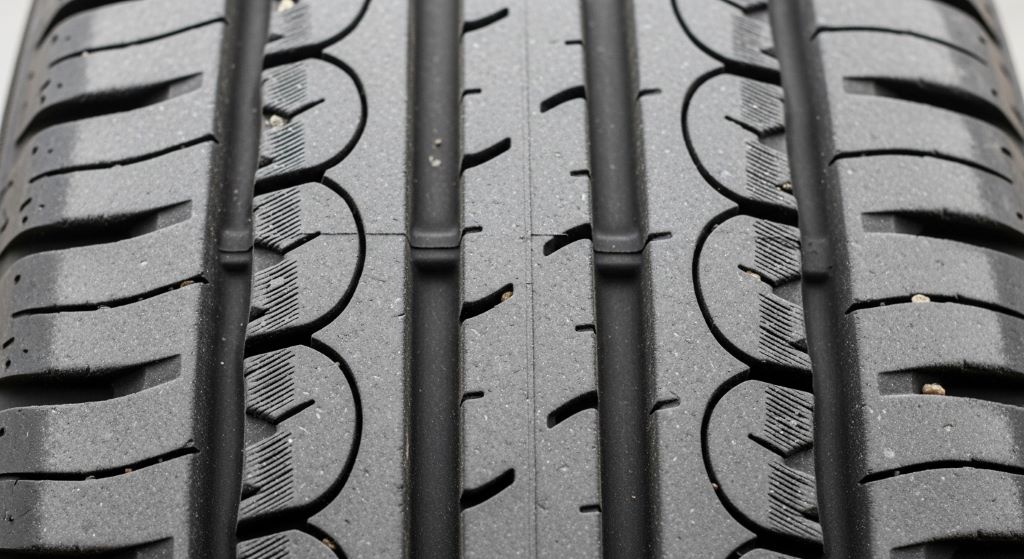
Tire feathering happens when the tread blocks on a tire wear down unevenly. One side of each tread block becomes smooth, while the other side stays sharp. Run your hand across the tread, and you will feel a scalloped or saw-tooth texture. This pattern does not appear randomly. It points directly to a problem with your wheel alignment, specifically something called toe drift.
Toe drift occurs when your wheels no longer point straight ahead. Instead, they angle slightly inward or outward. This causes the tire to scrub sideways against the road as the vehicle moves forward. Over time, this scrubbing creates the feathered wear pattern. Therefore, fixing tire feathering means addressing the root cause — your suspension and steering system.
Understanding Toe Drift: The Root Cause
Before diving into repairs, it helps to understand how toe drift develops. Toe alignment refers to the angle at which your tires point relative to the centerline of your vehicle. Proper toe settings keep your tires rolling straight, reducing unnecessary wear.
However, toe settings rarely stay perfect forever. Road impacts, potholes, and curb strikes all shift your suspension components over time. Additionally, worn tie rods, loose steering rack mounts, and degraded bushings can allow your wheels to drift out of alignment gradually.
There are two types of toe misalignment. Toe-in means the front of the tires point toward each other. Toe-out means they point away from each other. Both conditions cause feathering, but the wear pattern appears on opposite sides of the tread. Understanding which type you have helps a technician narrow down the faulty components quickly.
Inspecting Your Suspension System First
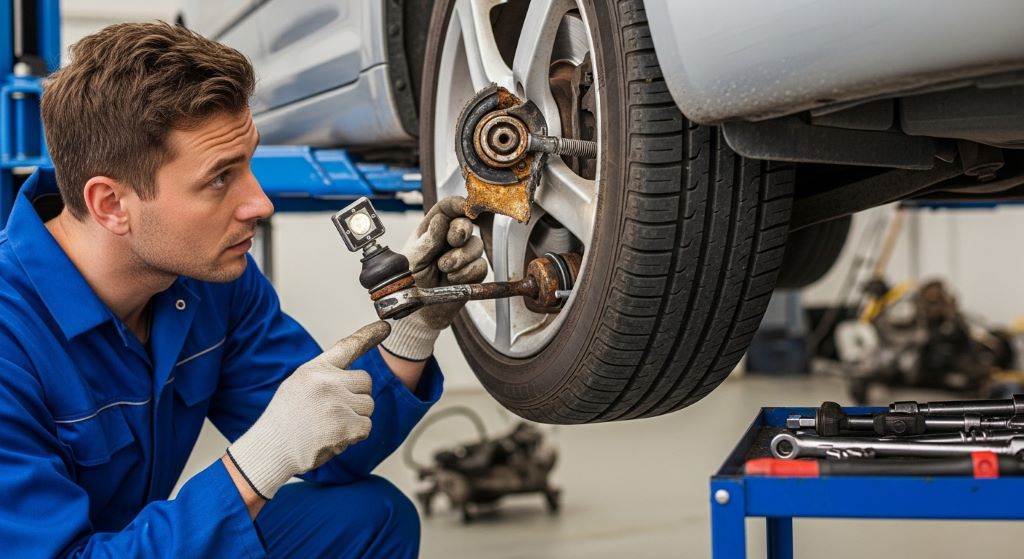
A proper repair begins with a thorough inspection. Jumping straight to an alignment without checking your suspension components is a common mistake. If worn parts are still in place, your new alignment settings will not hold. The vehicle will drift right back out of spec within a few hundred miles.
Here is what a technician should inspect before any alignment work:
- Tie rod ends (both inner and outer)
- Steering rack and pinion for play or looseness
- Control arm bushings for cracking or collapse
- Ball joints for excessive movement
- Wheel bearings for roughness or play
- Strut mounts and strut condition
Each of these components plays a role in keeping your wheels positioned correctly. When any one of them wears out, it introduces unwanted movement into the steering and suspension system. That movement eventually shows up as toe drift — and then as feathered tires.
Common Suspension and Steering Repairs for Toe Drift
Once the inspection is complete, the actual repair work can begin. The specific repairs depend on which components have failed. However, several repairs come up most frequently when toe drift is the diagnosis.
Tie Rod Replacement
Tie rods connect your steering rack to your wheel hubs. They transmit the steering input from the wheel to the tires. When tie rods wear out, they develop play — a small amount of looseness that allows the wheel to shift position unpredictably.
Replacing worn tie rod ends is one of the most common repairs for toe drift. The process involves removing the old tie rod end, installing a new one, and then performing a wheel alignment to restore proper toe settings. Both inner and outer tie rod ends should be checked, as either can cause problems.
Steering Rack Repair or Replacement
The steering rack is the central component of your steering system. It converts the rotation of your steering wheel into the side-to-side movement that turns your tires. Over time, the rack can develop internal wear or loose mounting points.
A loose or worn steering rack allows excessive movement in the steering system. This movement translates directly into inconsistent toe angles as you drive. In some cases, tightening the rack mounts resolves the issue. In others, a full rack replacement is necessary. A technician can determine this through a careful inspection.
Control Arm Bushing Replacement
Control arm bushings are rubber or polyurethane components that cushion the connection between your control arms and the vehicle frame. They allow controlled movement while absorbing road vibration.
When bushings crack, compress, or collapse, the control arm shifts position. This changes the geometry of the entire suspension corner, including toe angle. Replacing worn bushings restores proper geometry and helps your alignment hold steady over time.
Ball Joint Replacement
Ball joints allow the steering knuckle to pivot as the wheels turn and the suspension moves up and down. Worn ball joints introduce play that affects both camber and toe alignment.
If a ball joint is found to be loose or worn beyond manufacturer specifications, it must be replaced before any alignment is performed. Skipping this step means any alignment work will be wasted.
The Wheel Alignment Process After Repairs
Once all faulty components have been replaced, a four-wheel alignment is essential. This process uses specialized equipment to measure the current angles of all four wheels and adjust them to the manufacturer’s specifications.
For toe drift and feathering issues, the technician focuses closely on toe settings. However, a good alignment also checks camber and caster angles, since these interact with toe. Correcting all three angles together produces the best result and the longest-lasting improvement.
Additionally, some vehicles have adjustable rear toe settings. If rear toe is out of spec, it can cause the vehicle to pull sideways, which actually forces the front suspension to compensate. This compensation can contribute to front toe drift over time. Therefore, a full four-wheel alignment is always preferable to a front-only adjustment.
How Long Does It Take for Feathering to Develop?
Tire feathering does not appear overnight. It typically takes several thousand miles of driving with misaligned wheels before the wear pattern becomes obvious. Unfortunately, by the time most drivers notice feathering, a significant portion of the tire’s tread life has already been lost.
This is why regular alignment checks matter. Most manufacturers recommend checking wheel alignment every 12,000 miles or once a year, whichever comes first. Additionally, any time you hit a large pothole, strike a curb, or notice your vehicle pulling to one side, an alignment check is worthwhile.
Catching toe drift early means smaller repairs, less tire wear, and lower overall costs. Waiting until feathering is severe often means replacing tires that could have lasted much longer.
Can Feathered Tires Be Saved?
Once tire feathering has developed, the damage to the rubber is permanent. No rotation pattern or alignment adjustment will undo the uneven wear. However, acting quickly can slow further damage and extend the remaining useful life of the tire.
If the feathering is mild, fixing the underlying alignment issue and rotating the tires may buy more time. If the feathering is severe, replacement is the safer option. Severely feathered tires produce road noise, reduce grip, and can create handling instability — especially in wet conditions.
Therefore, the best approach is to address both the cause and the result together. Fix the suspension and steering issues, perform a fresh alignment, and evaluate whether the tires can be kept or need replacing.
Preventing Toe Drift and Feathering in the Future
Prevention is always easier than repair. A few simple habits can help you avoid toe drift and the feathering that follows.
First, schedule regular alignment checks as part of your routine maintenance. Second, rotate your tires every 5,000 to 7,500 miles. Rotation distributes wear more evenly and helps you spot unusual patterns early. Third, have your suspension system inspected at least once a year, especially if you drive on rough roads or carry heavy loads regularly.
Additionally, pay attention to how your vehicle drives. If it pulls to one side, if your steering wheel is off-center, or if you hear new road noise from your tires, have it checked promptly. These are early warning signs that something in your suspension or steering system needs attention.
Conclusion
Uneven tire feathering caused by toe drift is a clear signal that your suspension and steering system needs attention. The problem begins with worn components — tie rods, bushings, ball joints, or a loose steering rack — that allow your wheels to drift out of their correct toe angles. Over time, that drift scrubs your tires unevenly, creating the saw-tooth feathering pattern.
The solution involves inspecting your suspension thoroughly, replacing any worn parts, and then performing a precise four-wheel alignment. Skipping any of these steps leads to the same problem returning quickly. Acting early saves your tires and your wallet. Regular alignment checks, timely suspension repairs, and attentive driving habits are the best long-term defense against toe drift and feathering.
Frequently Asked Questions
How do I know if my tires have feathering?
Run your hand across the tire tread in both directions. If it feels smooth one way and sharp the other — like the edge of a saw blade — your tires are feathered.
Can I fix tire feathering just by getting an alignment?
An alignment corrects the toe angle but does not undo existing wear. If feathering has already developed, the damage to the rubber remains. Fix the alignment to prevent further damage, but assess whether tire replacement is needed.
How much does it cost to repair toe drift?
Costs vary depending on which components need replacing. A wheel alignment alone runs between $80 and $150. Tie rod replacement adds $150 to $400 per side. Bushing and ball joint work can add further costs. Getting a full inspection first helps you understand the total scope.
Is toe drift dangerous?
Mild toe drift causes tire wear and reduced fuel efficiency. Severe misalignment can affect handling stability, especially during sudden maneuvers or in wet conditions. It is worth fixing promptly.
How often should I check my wheel alignment?
Most manufacturers recommend checking alignment every 12,000 miles or once a year. Also check after any major road impact, such as hitting a deep pothole or striking a curb hard.
Related Topics:
How to Clean a Car Properly Using the Right Cleaning Kit
Calibrating ADAS Sensors After Alignment: Ensuring Vehicle Safety