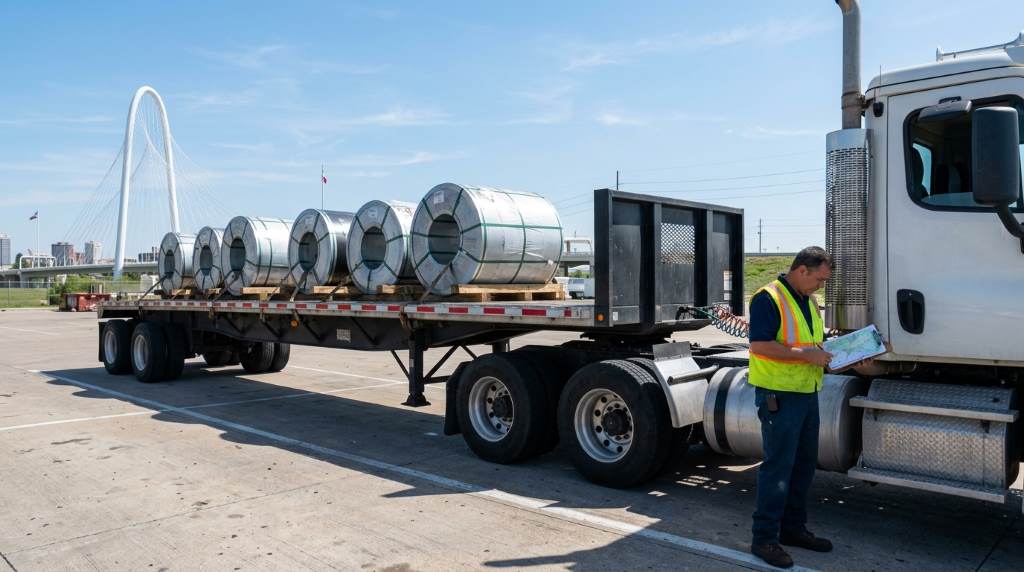
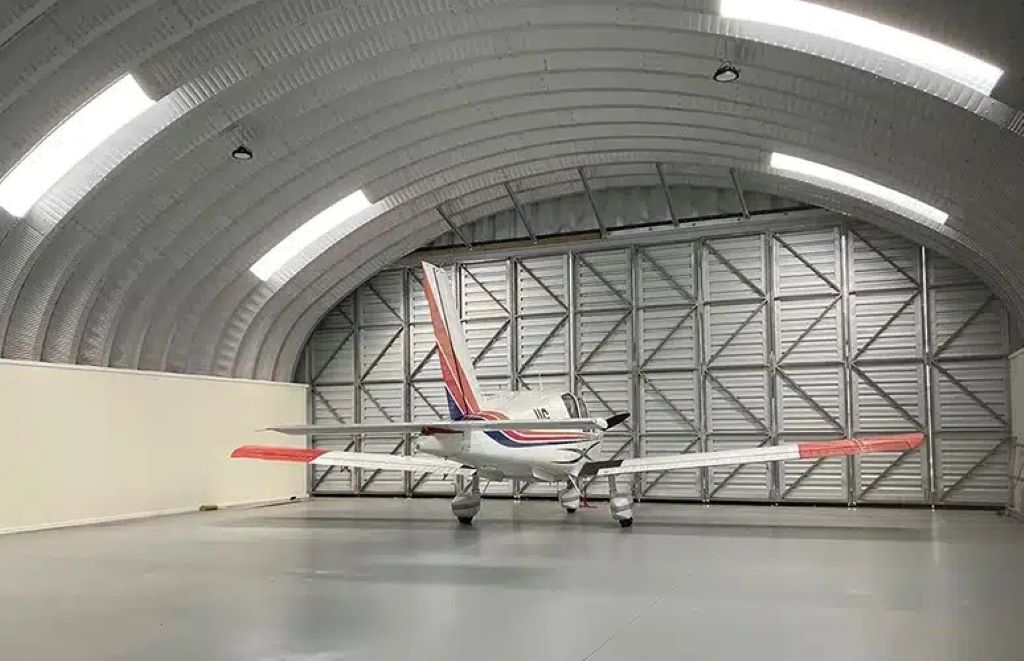
Imagine a colossal bird, wings spanning meters, nestled safely after a long flight. What kind of nest provides the ultimate protection, efficiency, and longevity for such a valuable asset? For pilots and aviation companies worldwide, the answer is overwhelmingly clear: a steel aircraft hangar. In an industry where precision, safety, and cost-effectiveness are paramount, the choice of hangar material isn’t just a preference—it’s a critical strategic decision. And increasingly, steel is proving to be the undisputed champion.
From bustling international airports to private airfields, the skyline is punctuated by these metallic behemoths, silently safeguarding aircraft from the elements, facilitating maintenance, and streamlining operations. But what makes steel the go-to material for these vital structures? Is it simply tradition, or are there tangible benefits that set it apart from other construction methods? This comprehensive guide will delve deep into the myriad reasons why steel aircraft hangars are not just a good choice, but the best choice, offering unparalleled advantages for every stakeholder in the aviation sector.
The Unwavering Strength of Steel: A Foundation of Safety
At the core of steel’s appeal lies its inherent strength. Aircraft, whether small private planes or massive commercial jets, represent significant investments. Protecting these assets from environmental damage, potential theft, and even accidental impact is non-negotiable.
Steel boasts an incredibly high strength-to-weight ratio, meaning it can support immense loads without requiring overly bulky structures. This translates to wide, clear-span interiors – a critical feature for hangars that need to accommodate aircraft wingspans and allow for unobstructed movement of machinery and personnel. Unlike traditional building materials like wood or concrete, steel offers predictable and consistent performance, a vital characteristic when designing structures that must withstand the forces of nature.
Key Strength Advantages of Steel Hangars:
- Exceptional Durability: Steel can withstand extreme weather conditions, including high winds, heavy snow loads, and even seismic activity. Its non-combustible nature also offers superior fire resistance compared to many other materials, providing crucial peace of mind.
- Impact Resistance: Accidental bumps from ground support equipment or even minor aircraft maneuvers are less likely to cause significant structural damage to a steel hangar due to its inherent resilience.
- Long Lifespan: With proper maintenance, a steel hangar can last for many decades, often exceeding the lifespan of the aircraft it houses. This long-term durability translates into significant cost savings over time by reducing the need for frequent repairs or replacements.
Economical by Design: Cost-Effectiveness Throughout the Lifecycle
The initial investment in a steel hangar might seem substantial. However, its long-term cost-effectiveness is a major draw for aviation businesses. This isn’t just about the purchase price; it encompasses the entire lifecycle of the structure, from construction to ongoing maintenance.
Cost-Saving Benefits of Steel Hangars:
- Faster Construction Times: Steel components are typically prefabricated off-site, arriving ready for assembly. This “bolt-together” construction significantly reduces on-site labor costs and overall project timelines. A quicker build means quicker operational readiness and revenue generation.
- Reduced Labor Costs: The simplified erection process of pre-engineered steel buildings requires less specialized labor compared to conventional construction methods, further contributing to cost savings.
- Lower Maintenance Requirements: Steel is naturally resistant to pests, rot, and mold, common issues that plague wooden structures. Its robust nature means less frequent repairs and a lower expenditure on ongoing maintenance. Coatings and finishes applied to steel also offer excellent corrosion resistance, extending the life of the structure with minimal upkeep.
- Energy Efficiency: Modern steel hangars can be designed with excellent insulation properties, contributing to significant energy savings on heating and cooling, especially for hangars that require climate control for sensitive equipment or aircraft.
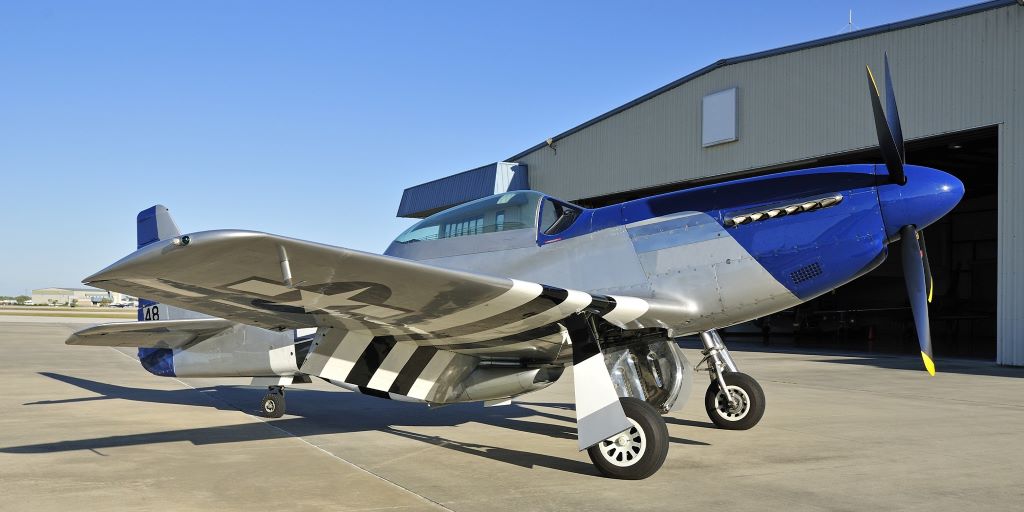
Design Versatility and Customization: Tailored to Aviation Needs
Aviation facilities have unique requirements. Flexibility in design is paramount for modern hangars. It allows for accommodating different aircraft sizes and integrating specialized equipment like overhead cranes or advanced security systems. Steel excels in providing this versatility.
Design Advantages of Steel Hangars:
- Clear-Span Capabilities: As mentioned, steel’s strength allows for vast column-free interiors, providing maximum usable space for aircraft maneuvering, storage, and maintenance. This is a significant advantage over other materials that often require internal supports, obstructing valuable floor space.
- Expandability: As an aviation business grows, so too might its need for hangar space. Steel hangars are relatively easy to expand by adding new bays or extensions, making them a future-proof investment.
- Customization Options: Steel can be fabricated into virtually any shape or size, allowing for highly customized hangar designs that perfectly meet specific operational needs and aesthetic preferences. This includes various door configurations (bi-fold, hydraulic, sliding), specialized ventilation systems, and integrated office spaces.
- Aesthetic Appeal: While functionality is key, modern steel hangars can also be aesthetically pleasing, incorporating various finishes, colors, and architectural elements to complement their surroundings.
Environmental Responsibility: A Greener Footprint in Aviation
In an increasingly environmentally conscious world, the sustainability of building materials is a growing concern. Steel stands out as an environmentally responsible choice for aircraft hangars.
Environmental Benefits of Steel Hangars:
- Recyclability: Steel is one of the most recycled materials on the planet. When a steel hangar reaches the end of its exceptionally long life, its components can be recycled and repurposed, reducing waste and conserving natural resources.
- Reduced Waste During Construction: The pre-fabrication process minimizes on-site waste, contributing to a cleaner and more efficient construction site.
- Energy Efficiency in Operation: As noted, well-insulated steel hangars contribute to reduced energy consumption, lowering the carbon footprint of aviation facilities.
Meeting Industry Standards and Regulations: Compliance and Confidence
The aviation industry is heavily regulated, with stringent safety and operational standards. Steel aircraft hangars are inherently well-suited to meet and exceed these requirements. Their predictable performance and robust nature simplify the process of obtaining necessary certifications and permits. Engineers and architects are well-versed in designing steel structures to meet local building codes, wind load requirements, and fire safety regulations. This expertise provides an additional layer of confidence for pilots and aviation companies.
Beyond the Hangar Doors: The Strategic Investment
Choosing a steel aircraft hangar isn’t just about building a structure; it’s about making a strategic investment in the long-term success and safety of an aviation operation. The combined benefits of strength, cost-effectiveness, design flexibility, and environmental responsibility make steel the undisputed leader in hangar construction. For pilots, it means a secure and reliable home for their prized aircraft. For aviation companies, it translates into optimized operations, reduced overheads, and a robust infrastructure that supports growth and profitability.
Frequently Asked Questions (FAQs) About Steel Aircraft Hangars
Q1: How long does it typically take to construct a steel aircraft hangar?
A1: Construction times vary depending on the size and complexity of the hangar, but thanks to pre-engineered components, steel hangars are generally erected much faster than traditional buildings. A medium-sized hangar might take anywhere from a few weeks to a few months for complete erection once the foundation is ready.
Q2: Are steel hangars resistant to strong winds and hurricanes?
A2: Absolutely. Steel hangars are engineered to withstand specific wind loads based on their geographical location and local building codes. Reputable manufacturers design these structures to meet or exceed hurricane-force wind resistance requirements.
Q3: Can I customize the interior layout of a steel hangar?
A3: Yes, one of the key advantages of steel hangars is their design flexibility. You can easily integrate office spaces, workshops, storage areas, and specialized equipment suching as overhead cranes, as well as choosing various door types like bi-fold, hydraulic, or sliding doors to suit your operational needs.
Q4: What kind of maintenance is required for a steel aircraft hangar?
A4: Steel hangars are relatively low-maintenance. Regular inspections for any signs of wear, tear, or corrosion (especially on the exterior coating), and prompt addressing of any issues, will ensure the hangar’s longevity. Keeping gutters clear and ensuring proper drainage are also important.
Q5: Are steel hangars energy efficient?
A5: When designed with proper insulation and ventilation systems, steel hangars can be highly energy efficient, reducing heating and cooling costs. The use of natural light through translucent panels can also contribute to energy savings.
Q6: What is the typical lifespan of a steel aircraft hangar?
A6: With proper design, quality materials, and regular maintenance, a steel aircraft hangar can easily last for 50 years or more, often outliving the aircraft it houses.
The Clear Choice for Aviation Excellence
In the dynamic world of aviation, where every decision impacts safety, efficiency, and financial viability, the choice of aircraft hangar material is a decision of paramount importance. Steel offers compelling advantages, including unmatched strength, economic benefits, design versatility, and strong environmental credentials. These qualities make it the top choice for pilots and aviation companies seeking a reliable, long-lasting, and high-performing solution.
Ready to safeguard your aircraft with the ultimate protection and efficiency? Explore the possibilities of a custom-designed steel aircraft hangar today and elevate your aviation operations to new heights.
Read More:
Best Motorhome Accessories And Gear for Road Trips