
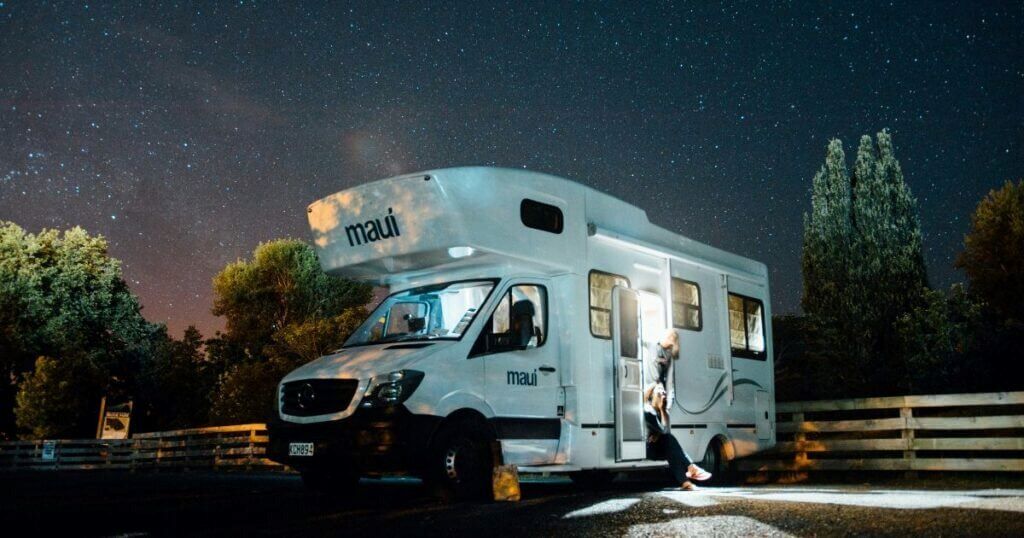
The freedom of the open road calls to many, and for thousands of Americans, motorhomes offer the perfect escape. Whether you’re a weekend adventurer or a full-time traveler, choosing the right motorhome is crucial. This guide dives deep into real motorhome reviews, analyzing features, strengths, and drawbacks to help buyers make an informed decision in 2025.
Understanding the Motorhome Market
Motorhomes are no longer just basic vans with a bed and a sink. Today’s market includes Class A, B, and C motorhomes, each catering to different lifestyles. According to the RV Industry Association, over 600,000 RVs were shipped in 2022, showing consistent growth despite economic fluctuations.
- Class A motorhomes are large, luxurious, and often the most expensive.
- Class B (camper vans) are compact, nimble, and easier to park in urban settings.
- Class C sits in between, offering a balance of space and drivability.
Understanding the classification helps narrow your options quickly.
Top Motorhome Brands Reviewed
Let’s explore some of the top-rated brands dominating the roads in 2025, based on real user experiences and expert reviews.
Winnebago Adventurer (Class A)
Winnebago continues to lead with innovation and dependability.
Features:
- 36–38 feet in length
- Gas-powered Ford F53 chassis
- Full-wall slide-outs
- 50” HDTV, electric fireplace, and washer/dryer prep
Pros:
- Residential feel
- Spacious kitchen with high-end appliances
- Excellent insulation for year-round use
Cons:
- Fuel economy averages 8 mpg
- May be challenging to park in small campsites
Owners praise its home-on-wheels comfort but caution about maintenance costs, especially beyond the warranty.
Thor Sequence (Class B)
Ideal for solo travelers or couples, the Thor Sequence is agile and packed with tech.
Features:
- Built on a RAM ProMaster chassis
- Solar panel system
- Rapid Camp+ multiplex system
Pros:
- Fits in regular parking spaces
- Fuel-efficient with up to 16 mpg
- Built-in Wi-Fi router and 4G capabilities
Cons:
- Limited storage and interior space
- Not ideal for families or long stays
The Thor Sequence wins over minimalists and digital nomads who value technology and flexibility over square footage.
Jayco Greyhawk (Class C)
A middle-ground motorhome known for quality and space efficiency.
Features:
- Ford E-450 chassis with 7.3L V8 engine
- Sleeps up to 7
- Heated holding tanks and solar prep
Pros:
- Great for families
- Easy-to-use systems
- Ample interior storage
Cons:
- Can feel cramped during long trips
- Towing capacity lower than Class A models
This model is popular among first-time buyers due to its manageable size and user-friendly design.
What Features Truly Matter?
Buyers often get caught up in aesthetics and neglect core functionalities. From years of owner feedback and professional reviews, here’s what actually matters:
Must-Have Features:
- Efficient HVAC systems: A powerful air conditioner and furnace are essential for comfort.
- Insulation quality: Four-season insulation can save thousands in energy costs.
- Solar and battery setups: Crucial for off-grid adventures, especially as camping trends lean more remote.
- Reliable slide-outs: Increase space but must be mechanically sound to avoid long-term issues.
Not all luxury finishes equate to lasting quality. Brands like Tiffin and Newmar are often favored for their craftsmanship over flashy gimmicks.
Hidden Costs to Watch For
While the sticker price draws attention, the real costs go deeper:
- Insurance: Expect to pay $1,000–$3,000 annually depending on the class and location.
- Depreciation: Motorhomes lose up to 20% of value in the first year.
- Maintenance: Oil changes, tire rotations, and generator servicing can total $1,500+ per year.
- Storage fees: Especially if you live in an HOA-regulated community.
Smart buyers factor these into their budgets early. Extended warranties and roadside assistance plans can provide peace of mind but add to the cost.
Lifestyle Considerations
Choosing a motorhome isn’t just about specs—it’s about how you live. Retirees often gravitate toward Class A rigs for long hauls and comfort. Young families might choose Class C models for versatility and space. Digital nomads lean toward Class B for stealth camping and city navigation.
Users of motorhome reviews on forums like iRV2 often highlight the importance of matching the motorhome to your real-life needs rather than dreams.
Featured Snippet:
What is the best type of motorhome for full-time living in 2025?
The best type of motorhome for full-time living in 2025 depends on your lifestyle. Class A motorhomes offer the most space and comfort, making them ideal for retirees or large families. Brands like Tiffin, Newmar, and Winnebago Adventurer top the list due to their quality insulation, luxury interiors, and residential features. However, if mobility and fuel economy are priorities, Class B models such as the Thor Sequence provide essential amenities with easier drivability and parking flexibility. Class C motorhomes, like the Jayco Greyhawk, strike a perfect balance for part-time travelers or families who need both sleeping space and easier handling. Professional tip: Invest in a model with reliable slide-outs, solar capability, and proven customer service support to ensure long-term satisfaction.
FAQs on In-Depth Motorhome Reviews | Features, Pros & Cons
1. What’s the difference between Class A, B, and C motorhomes?
Class A is large and luxurious, Class B is compact and van-based, and Class C combines the best of both.
2. How fuel-efficient are motorhomes?
Class B models can reach 16–20 mpg. Class A usually hovers around 6–10 mpg.
3. Can I live full-time in a motorhome?
Yes, many Americans do. Choose a model with four-season insulation and full hookups compatibility.
4. What are common maintenance issues?
Slide-out malfunctions, roof leaks, and generator problems are frequent in older or budget models.
5. How much should I budget for a quality motorhome?
Class A: $120,000–$300,000
Class B: $80,000–$180,000
Class C: $90,000–$150,000
6. Are used motorhomes worth buying?
Yes, but only with a certified inspection and maintenance records. Depreciation works in your favor.
7. What’s the best brand for resale value?
Tiffin and Winnebago typically hold value better due to build quality and brand recognition.
Final Thoughts
Buying a motorhome is a big decision that extends far beyond the purchase price. With smart research, clear priorities, and honest motorhome reviews, it’s possible to find the perfect rig for your lifestyle. By understanding the features, pros, and cons of each type, you can hit the road with confidence and clarity.
Want real-world stories and tips? Follow long-term RVers on YouTube, forums, and blogs like The RV Geeks for up-to-date reviews and personal advice that can’t be found in dealer brochures.
Choose smart. Drive free. Explore endlessly.
Read More: Essential Motorhome Repairs And Maintenance Guide