
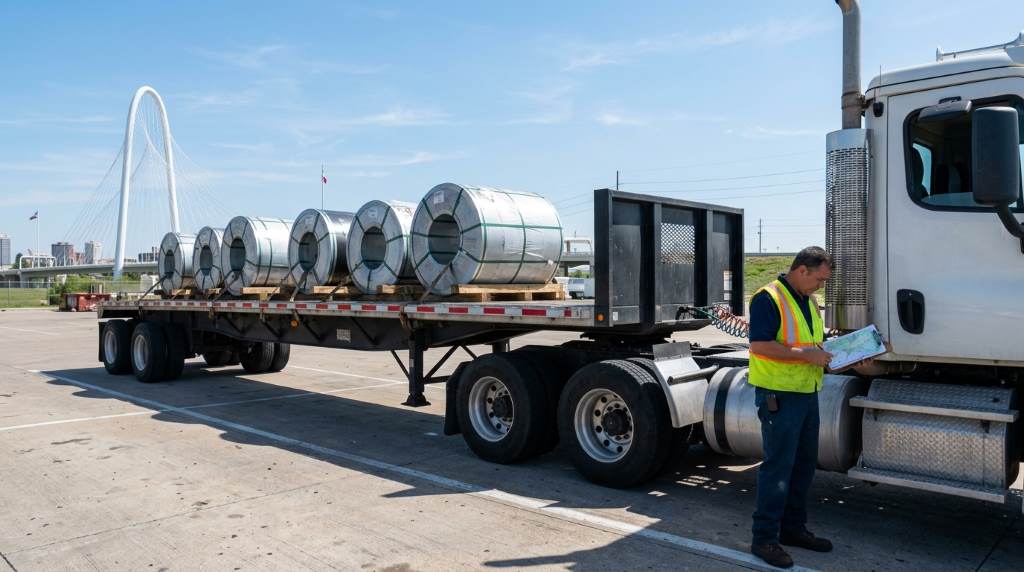
Commercial trucking supports more than 70 percent of domestic freight movement, making compliance essential for every fleet. Additionally, overweight vehicle violations can create expensive fines, delivery delays, and safety concerns. Understanding federal bridge formula for semi trailers helps drivers distribute weight correctly before every trip. This guide explains how to avoid bridge formula violations in Dallas, TX through practical steps that improve safety, compliance, and operational efficiency.
Understand Bridge Formula Requirements Before Every Trip
The federal bridge formula determines legal weight based on axle spacing and axle groups. Therefore, every commercial driver should understand these calculations before loading freight. Reading about keep mice out motorhome also highlights how preventative planning protects valuable equipment over time.
Bridge formula compliance protects highways from excessive structural stress during daily transportation. Moreover, following legal weight limits reduces accident risks and prevents unnecessary enforcement actions. Drivers who understand these standards complete deliveries with greater confidence and fewer interruptions.
Every dispatcher should verify route requirements before assigning loads to drivers. Likewise, fleet managers should maintain updated compliance documents for every commercial vehicle. Preparation reduces mistakes before trucks reach inspection stations.
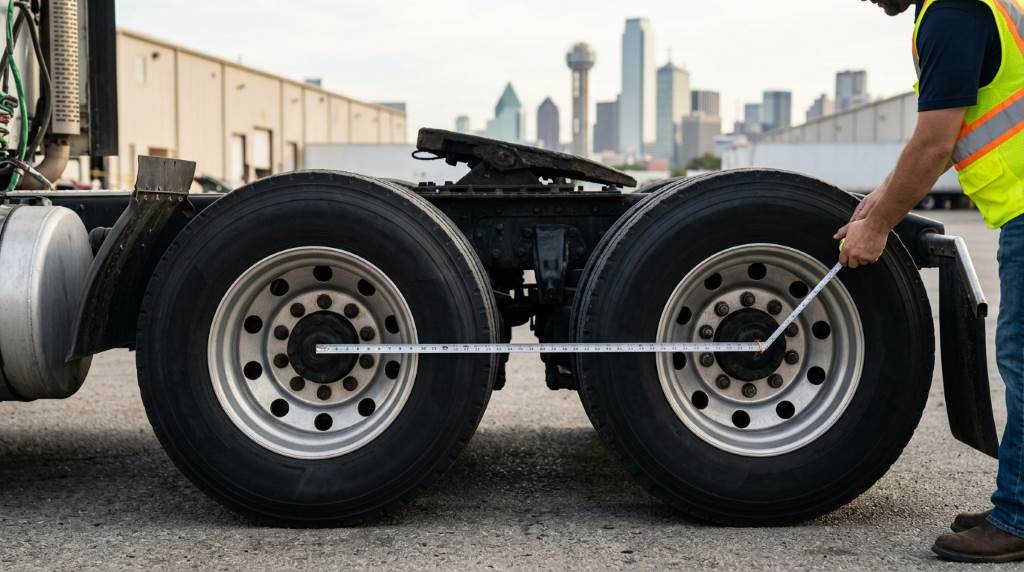
Why Axle Spacing Matters
Axle spacing affects the maximum legal weight allowed on public roads. Consequently, even legal gross vehicle weight can become noncompliant because of improper axle distribution. Accurate measurements prevent unexpected roadside penalties.
Modern trailer configurations offer several adjustment options for different cargo types. However, drivers should understand each equipment limitation before repositioning tandem axles. Proper adjustments improve legal compliance and vehicle stability.
Load Cargo Correctly From The Beginning
Correct cargo placement remains one of the simplest ways to prevent bridge formula violations. Instead, poor loading often creates uneven axle weights despite legal total cargo weight. Learning organized storage principles through store fresh food motorhome demonstrates why balanced distribution matters in every vehicle.
Load planners should calculate weight distribution before placing the first pallet inside trailers. Furthermore, forklift operators should follow loading diagrams supplied by transportation managers. Consistent loading methods reduce costly corrections later.
Heavy freight belongs near positions that maintain balanced axle loads throughout transportation. Meanwhile, lighter cargo should support proper weight distribution without creating unstable handling. Organized loading also improves unloading efficiency.
Best Loading Practices
- Verify cargo weight before loading.
- Balance weight across every axle group.
- Secure freight using approved restraint systems.
- Review axle measurements before departure.
- Confirm load stability after every stop.
Use Certified Truck Scales Frequently
Certified truck scales provide accurate axle weights before drivers enter regulated highways. Therefore, weighing every loaded vehicle prevents avoidable violations during inspections. Maintenance habits explained in repair motorhome exterior delamination also reinforce the value of routine preventive inspections.
Drivers should compare scale results with legal bridge formula limits before leaving shipping facilities. Additionally, any overloaded axle requires immediate adjustments before continuing the trip. Small corrections often eliminate significant compliance risks.
Fleet owners benefit from maintaining detailed weight records for every shipment. Likewise, documented compliance supports better operational audits and customer confidence. Organized records also simplify dispute resolution when necessary.
When To Visit A Scale
- After loading new freight.
- Following cargo adjustments.
- Before entering regulated highways.
- After changing trailer configurations.
- Whenever unusual handling appears.
Inspect Equipment Before Leaving The Yard
Mechanical issues sometimes create inaccurate weight distribution during transportation. Consequently, drivers should inspect suspension systems, tires, brakes, and axle components before every trip. Reliable equipment supports consistent compliance under changing road conditions.
Trailer damage can shift cargo unexpectedly during long distance transportation. Therefore, inspection routines should include floors, doors, tie down systems, and suspension hardware. Preventive maintenance reduces expensive surprises.
Fleet maintenance teams should document every inspection using standardized checklists. Besides improving accountability, these records demonstrate consistent compliance efforts during regulatory reviews. Organized documentation supports safer fleet operations.
Important Inspection Points
- Tire pressure and condition.
- Suspension performance.
- Axle alignment.
- Cargo restraints.
- Trailer structural integrity.
Train Drivers On Compliance Standards
Driver education remains one of the strongest defenses against bridge formula violations. Accordingly, every new employee should receive structured compliance training before operating commercial vehicles. Experienced drivers also benefit from regular refresher sessions.
Training should include weight calculations, axle spacing, cargo placement, and inspection procedures. Furthermore, instructors should explain local enforcement practices using practical examples. Hands on demonstrations improve long term understanding.
Management should encourage drivers to report concerns without fear of unnecessary penalties. Open communication helps solve compliance issues before they become expensive violations. Strong teamwork creates safer transportation operations.
Plan Routes Carefully Around Dallas
Route planning reduces unnecessary stress for drivers handling heavy commercial loads. Therefore, dispatchers should identify legal truck routes before assigning deliveries. Planned routes also improve scheduling accuracy.
Construction zones and traffic changes sometimes affect commercial vehicle operations. Consequently, drivers should monitor current route information before every departure. Flexible planning reduces unexpected delays and compliance risks.
Navigation systems designed for commercial vehicles support safer route selection. Moreover, updated mapping tools identify restrictions that ordinary navigation applications often miss. Better planning improves fuel efficiency and customer satisfaction.
Maintain Accurate Compliance Records
Complete documentation strengthens fleet management and simplifies regulatory inspections. Accordingly, businesses should organize scale tickets, maintenance records, inspection reports, and driver training documents. Good records demonstrate responsible operations.
Digital record systems simplify document retrieval during audits and roadside inspections. Likewise, electronic storage reduces paperwork errors while improving operational efficiency. Secure backups protect important business information.
Managers should review compliance records regularly for recurring issues or improvement opportunities. Continuous monitoring supports better decision making and stronger fleet performance. Small improvements produce meaningful long term benefits.
Conclusion
Avoiding bridge formula violations in Dallas, TX requires careful planning, balanced loading, accurate weighing, and consistent driver education. Every successful trip begins with proper preparation before vehicles leave the yard. Regular inspections, organized documentation, and smart route planning protect both drivers and businesses. Start applying these practical strategies today to improve compliance, reduce costly penalties, and build a safer commercial transportation operation.
Frequently Asked Questions
What is the bridge formula?
The bridge formula calculates legal vehicle weight using axle spacing and axle group configuration.
Why do bridge formula violations happen?
Most violations result from uneven cargo distribution or incorrect axle weight.
Should every truck visit a certified scale?
Yes, certified scales help verify legal axle weights before highway travel.
Can moving trailer tandems reduce violations?
Yes, adjusting tandem positions often balances axle weights within legal limits.
How often should drivers complete compliance training?
Drivers should receive regular refresher training alongside new regulatory updates.